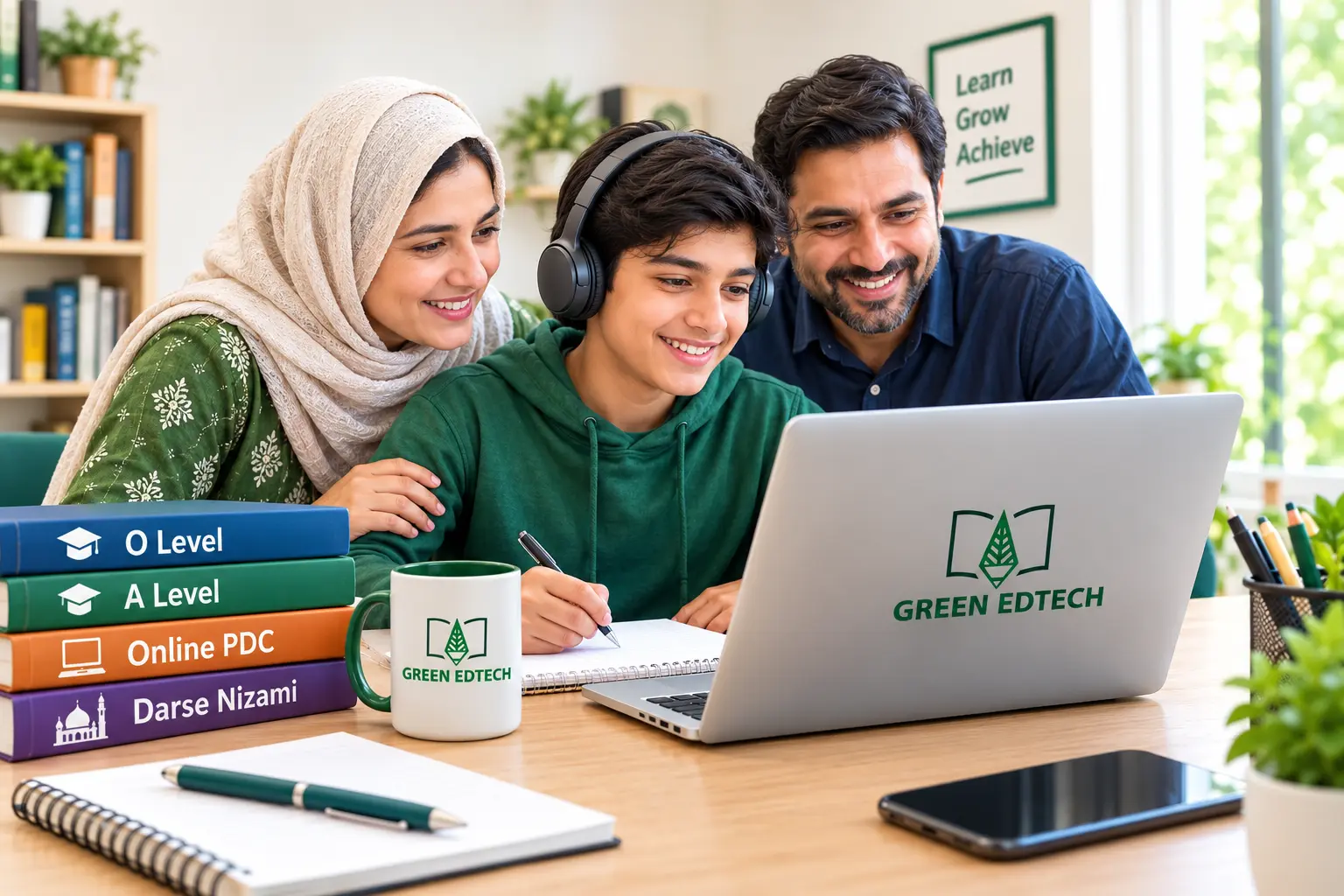

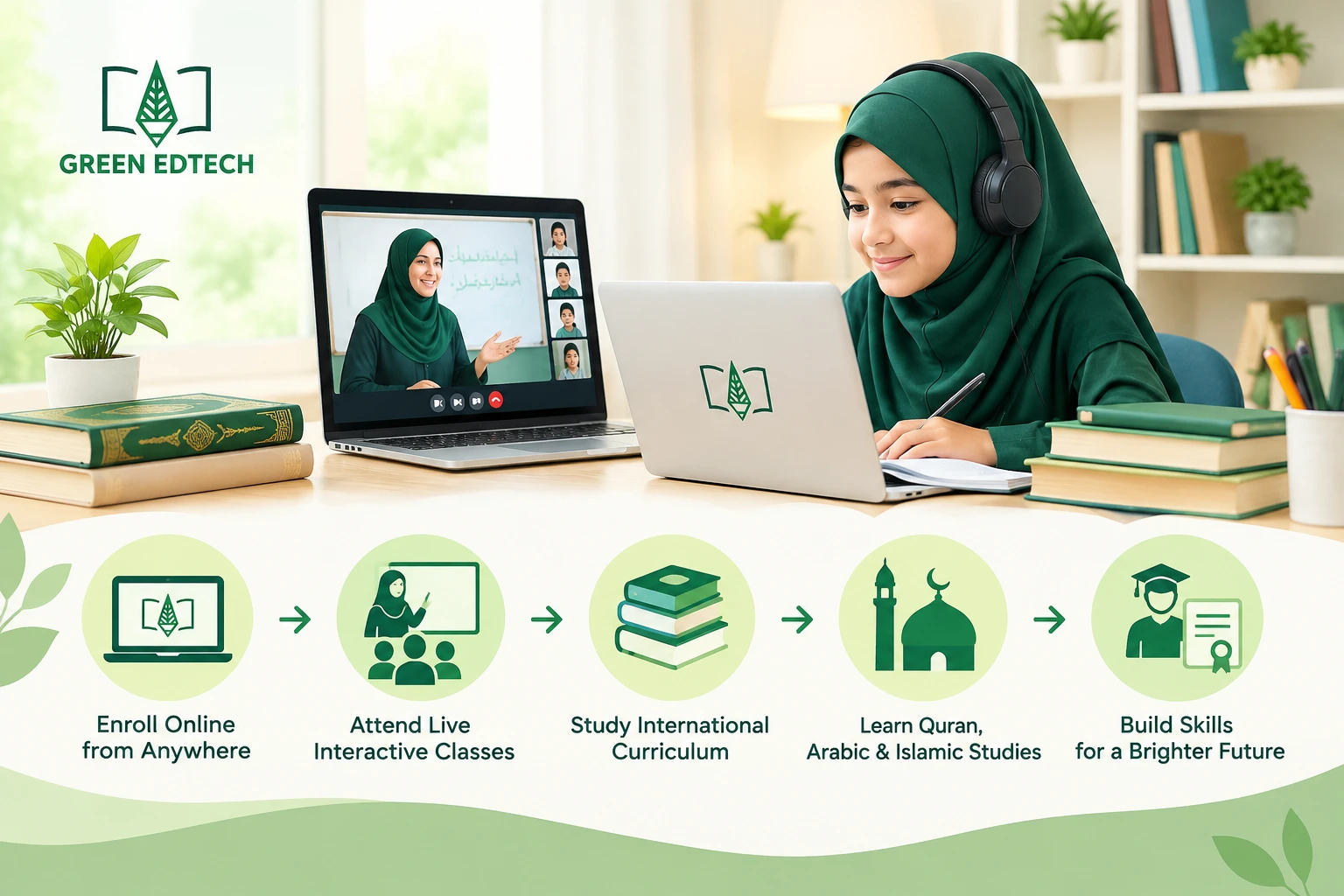

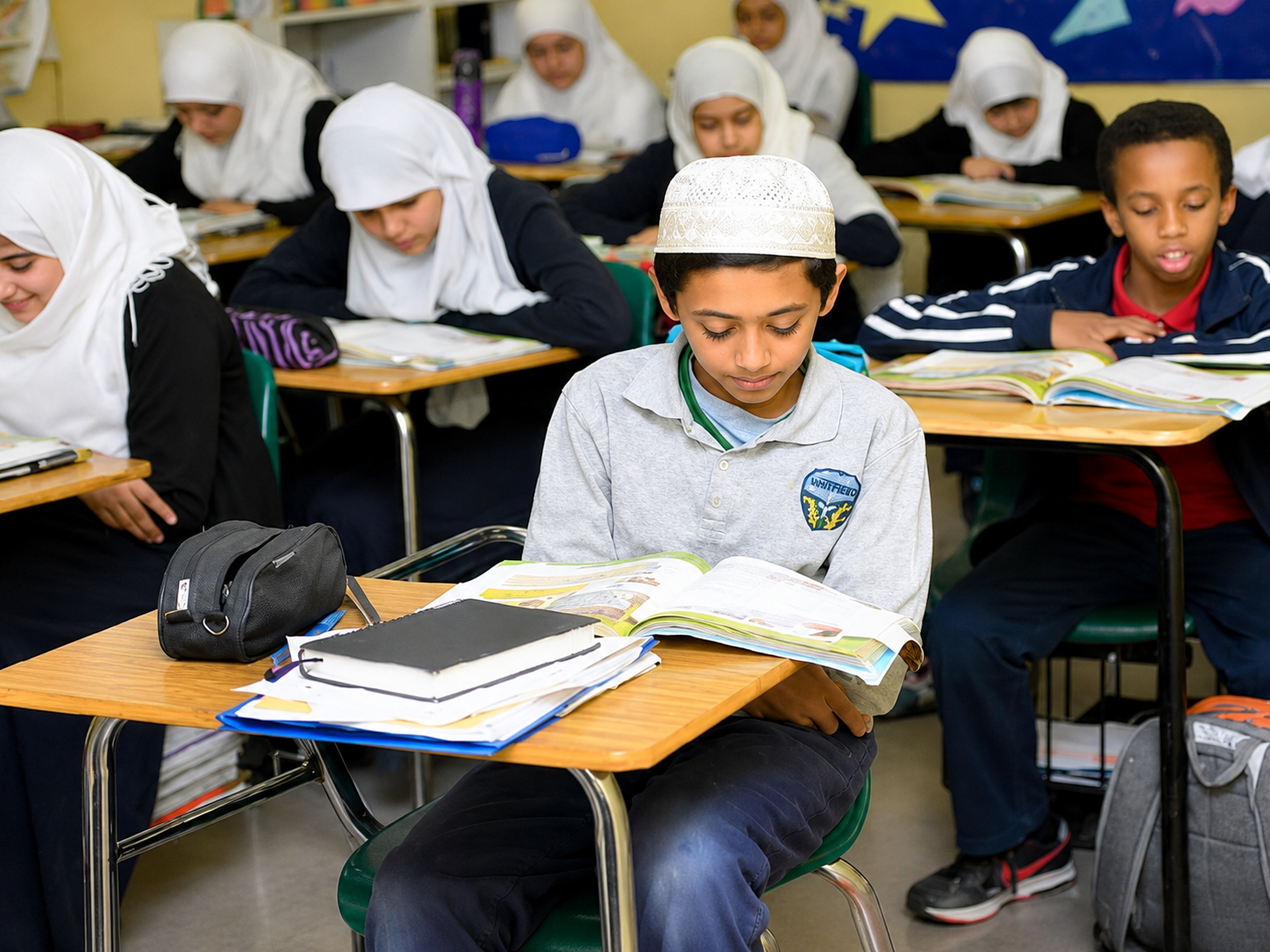
Sharia schools offer a unique blend of religious and academic instruction, similar to modern ed-tech for homeschooling solutions that integrate faith-based learning. The core goal is to shape students’ lives around Islamic principles. Institutions such as an Islamic international school in Pakistan focus on discipline, respect, and a deep connection with faith. Teachers present every subject through a spiritual lens, helping students grow both morally and intellectually. Many families also choose an online school in Pakistan or enroll in an online Dars e Nizami course to receive the same values-based education with the flexibility of remote learning.
Quranic Studies: The Heart of the Curriculum
Inside the Sharia School Curriculum: What Do Students Learn? Quranic education is central in Sharia schools. Students begin memorizing verses at a young age. They learn Tajweed, the correct pronunciation of Arabic letters. Daily lessons focus on understanding meanings and applying them in daily life. Students also study Tafsir, which explains the deeper interpretation of Quranic verses.
1. Hadith and Sunnah: Learning from the Prophet’s Teachings
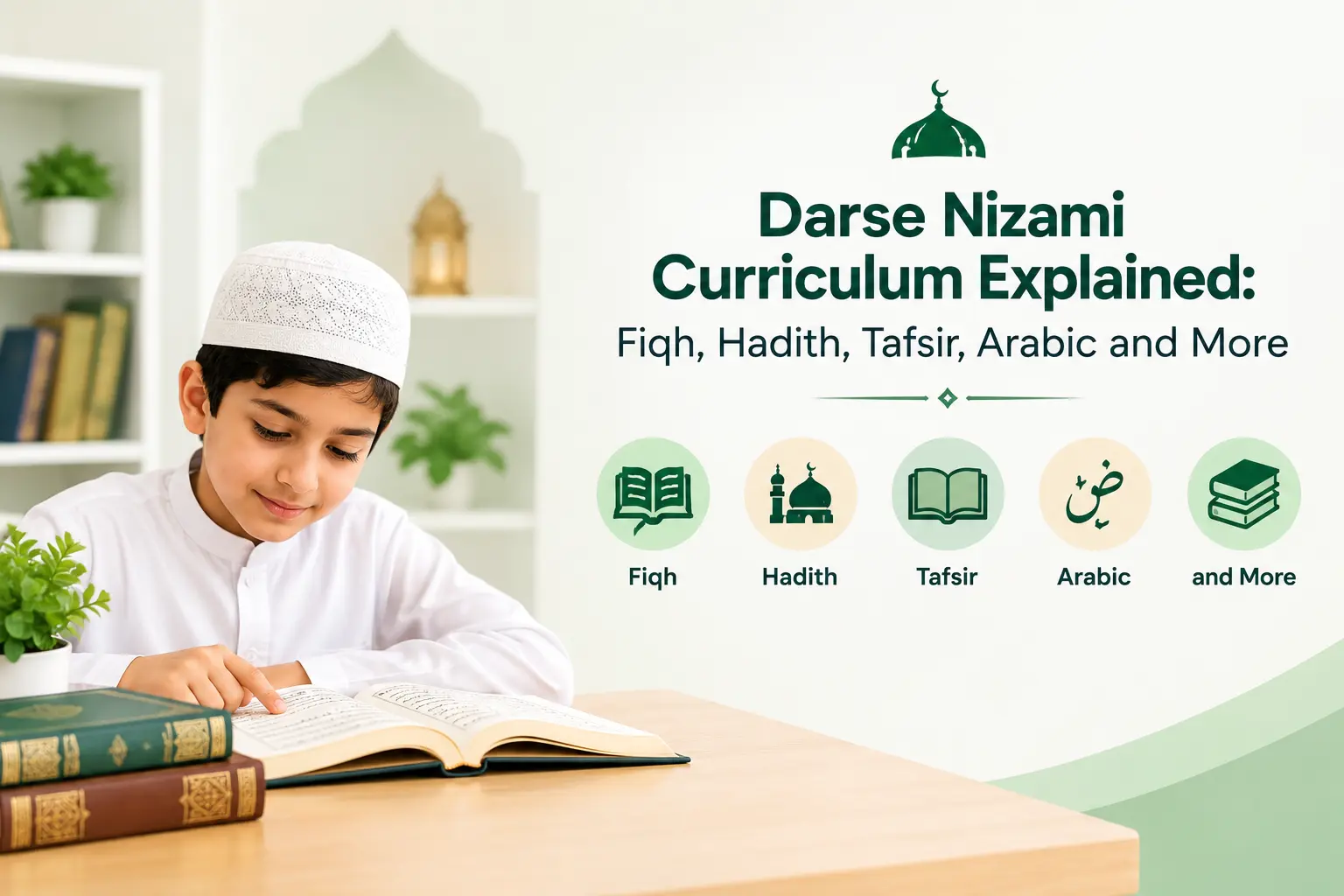
Sharia students explore Hadith, the sayings and actions of the Prophet Muhammad (PBUH). They learn how to live a life aligned with the Sunnah. These lessons help students apply moral values such as kindness, honesty, and generosity. Teachers use real-life examples to help children relate the Prophet’s life to their own experiences.
2. Fiqh: Understanding Islamic Law
Fiqh, or Islamic jurisprudence, teaches students how to apply Islamic laws in practical life. They study the five pillars of Islam in detail. The curriculum explores topics like cleanliness, prayer, fasting, and charity in depth. This subject builds a solid foundation for ethical decision-making based on faith.
3. Arabic Language: A Bridge to Knowledge
Arabic is essential for understanding Islamic texts. Students are taught grammar, vocabulary, and sentence structure. Reading and writing skills are developed alongside spoken fluency. Proficiency in Arabic allows them to engage with Islamic literature confidently.
4. Moral and Character Building
Sharia education places strong emphasis on character development and moral values. Respect for parents, elders, and teachers is an important part of the syllabus. Lessons on responsibility, trustworthiness, and humility are integrated into everyday learning. Regular assemblies, group discussions, and role-playing activities help reinforce these values and encourage students to apply them in their daily lives.
5. Modern Education in Sharia Schools
The importance of Sharia schools in modern education lies in their ability to integrate modern subjects alongside religious studies. Mathematics, science, English, and computer studies are part of the curriculum. This balance prepares students for higher education and career opportunities. Likewise, the importance of Islamic schools in modern education lies in producing individuals who are knowledgeable in both religious and worldly matters.
6. Civic Sense and Social Responsibility
Teachers also help students understand their roles and responsibilities within the community. The curriculum includes lessons on respect for the law, civic duties, and environmental awareness, fostering a strong sense of social responsibility. Community service and outreach activities allow students to put these values into practice, helping them become responsible, caring, and active members of society.
Conclusion
The Sharia school curriculum builds a well-rounded personality, demonstrating how Sharia schools build strong Muslim communities through character development and education. Students leave with strong moral values and academic skills. They are guided to live a balanced life that benefits both society and their faith. This commitment to preserving Islamic law and education makes Sharia schools a trusted choice for many families.
Many institutions also offer a Darse Nizami course and online school classes. In contrast, the teaching of Islamic values in modern education today is reflected in how the best Islamic school in Karachi combines these opportunities to develop future leaders rooted in ethics, discipline, and knowledge.
