
In today’s world, where education is the key to empowerment, Sharia schools continue to play a dynamic role in many communities. These institutions, rooted deeply in Islamic tradition, are far more than places of religious instruction. They help nurture minds, shape ethical leaders, and influence discussions around the role of sharia schools in modern Islamic education. As educational methods continue to evolve, many families also explore Green ed-tech for homeschooling to understand how digital learning supports home-based education.
An Islamic International School environment often combines academic learning with religious understanding to meet different educational needs. Students in many systems also benefit from online School classes that provide greater accessibility and flexibility. For those seeking deeper religious studies, an online Dars e Nizami course offers structured pathways for learning classical Islamic knowledge. These approaches continue to shape how educational institutions adapt to changing learning environments.
Understanding Sharia-Based Education
Sharia, which means “the path” in Arabic, refers to the moral and legal code of Islam derived from the Quran and Hadith. Sharia education, therefore, encompasses the understanding, interpretation, and application of this code in daily life. Many educational systems, including an Islamic International School, aim to connect religious understanding with broader learning experiences.
Some students also benefit from online School classes that increase accessibility and flexibility in education. Green ed-tech for homeschooling reflects the growing use of digital tools in home-based learning settings. For learners seeking deeper religious studies, an online Dars e Nizami course provides structured opportunities to explore traditional Islamic knowledge and understanding.
Origins of Sharia Schools
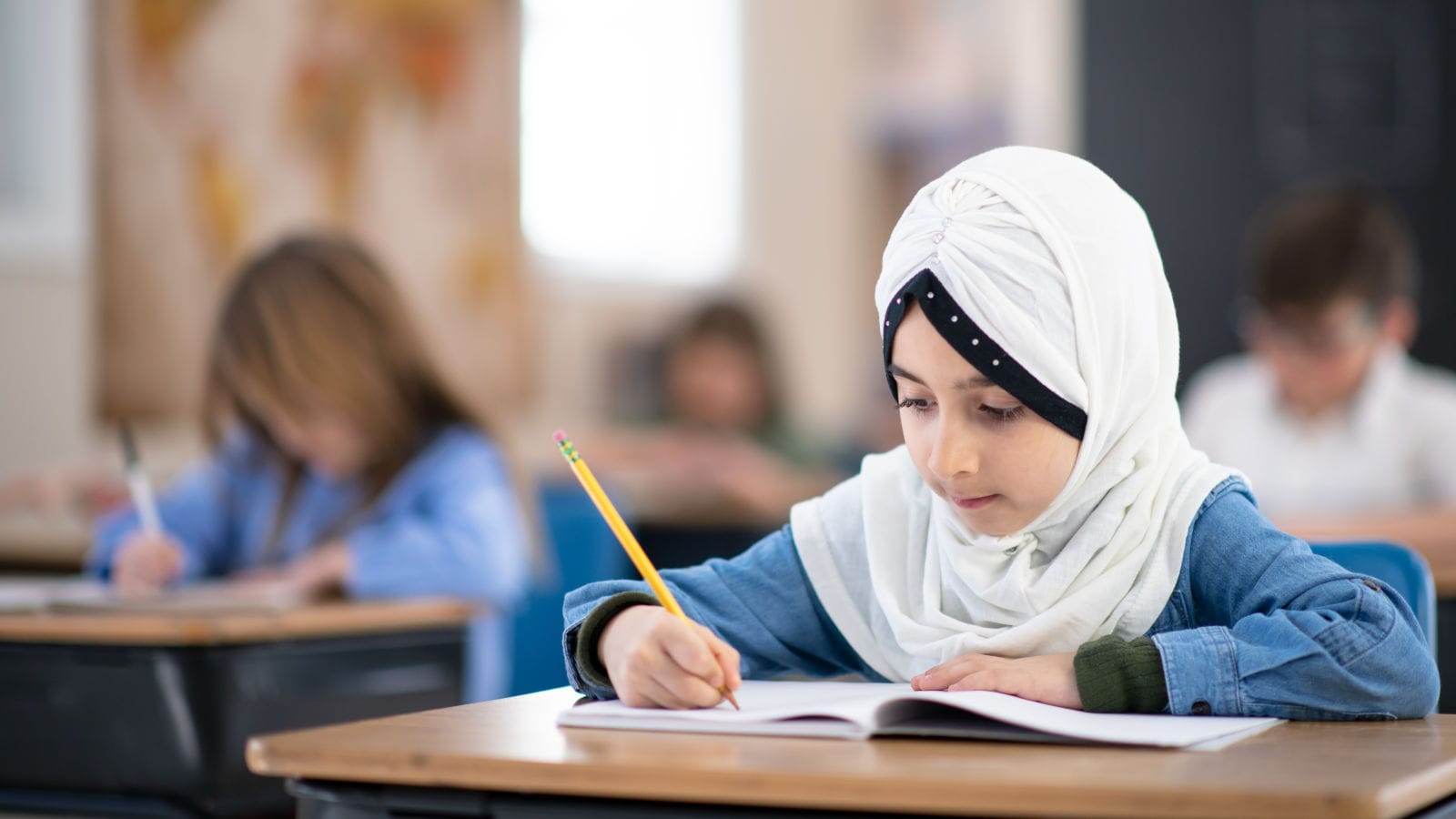
Historically, Sharia schools, often referred to as madrasas, began as centres of Islamic learning, training scholars, jurists, and leaders. They flourished during the Islamic Golden Age and became important hubs for intellectual discourse. Islamic education has long played a role in preserving knowledge and religious understanding across generations.
Today, learning methods continue to evolve through approaches such as Green ed-tech for homeschooling and Online school in Pakistan systems. Students seeking deeper religious studies may also explore online Darse Nizami pathways to continue traditional learning through digital platforms.
Core Curriculum in Sharia Schools
While theology and jurisprudence form the foundation, these schools also cover Arabic grammar, logic, and, in some cases, the sciences. The focus remains on developing both the intellect and the soul. Islamic education often encourages balanced learning by combining knowledge with moral understanding. Discussions around how Sharia Schools Build Strong Muslim Communities also highlight their influence on values and social development.
An Islamic Online school environment can provide flexible access to learning resources. Students may also pursue a Dars Nizami course for deeper religious studies. At the same time, an Islamic International School IGCSE (O Level) and IAL (A Level) pathway can support broader academic learning opportunities.
The Evolution of Sharia Schools
Historical Context
Back in the day, Sharia schools were considered the Ivy League of Islamic civilizations. Cities like Baghdad, Cairo, and Cordoba boasted prestigious institutions attracting students from across the globe.
Transition to Modern Education Systems
With colonial influence and modernisation waves, many Sharia schools began integrating secular subjects to stay relevant and meet societal needs.
Integration of Secular Subjects
Today’s Sharia schools often include maths, science, history, and even computer studies alongside traditional religious studies. This blend is helping create well-rounded individuals who can navigate both faith and the modern world.
Curriculum and Teaching Methods
Quranic Studies and Islamic Jurisprudence
The Quran remains the heart of the curriculum. Students engage in memorisation, interpretation (tafsir), and legal rulings (fiqh) to understand how divine principles apply in practical life. Islamic education places strong emphasis on connecting knowledge with daily practice and understanding. Green ed-tech for homeschooling reflects changing learning approaches, while an Islamic Online Dars Nizami course supports deeper religious study. The online school registration process also helps families access learning opportunities more efficiently.
Arabic Language and Literature
Arabic isn’t just a language here—it’s the medium to access original Islamic texts. Students often become proficient in classical Arabic, giving them direct access to centuries of scholarly work.
Science, Mathematics, and Technology
More progressive Sharia schools have started offering robust STEM programs. This modern approach helps students stay connected with global academic developments. Islamic education in such settings continues to evolve by integrating both traditional and contemporary subjects.
Some institutions also include diploma courses as part of broader academic pathways. Discussions around international school fee structure often reflect how different education systems are organized. The demo class process allows families to understand teaching methods, while online school registration helps streamline access to learning opportunities.
Character Development and Moral Training
Beyond textbooks, these schools deeply invest in building character. Concepts like akhlaq (ethics) and adab (manners) are taught through both classroom instruction and daily routines. Islamic education places strong emphasis on moral development alongside academic learning. Many institutions also support learning through an E-Library, which provides access to digital study resources.
Some learners explore diploma courses as part of their academic progression. Discussions around international school fee structure often highlight differences in educational planning. A demo class can help families understand teaching approaches, while an online Islamic academy provides access to structured religious learning in digital formats.
The Modern Role of Sharia Schools
Building Ethical Leaders
With corruption and moral decay on the rise, Sharia schools aim to build leaders who lead with integrity, justice, and a sense of divine accountability.
Addressing Misconceptions About Islam
Let’s face it, Islam often gets misrepresented. These schools act as a counterforce, promoting the real message of peace, tolerance, and intellectualism that Islam stands for.
Creating a Balance Between Faith and Modernity
Instead of choosing between deen (faith) and dunya (world), students are encouraged to excel in both. The goal? Produce Muslims who can lead in boardrooms, hospitals, and governments while staying grounded in their faith.
Global Presence and Regional Variations
Sharia Schools in the Middle East
In countries like Egypt and Saudi Arabia, Sharia schools often work hand-in-hand with the government, producing judges, imams, and scholars.
Sharia-Based Institutions in South Asia
Places like Pakistan, India, and Bangladesh have thousands of madrasas, ranging from rural to urban, basic to elite. Some now offer dual-degree options—combining religious and university-level education.
Sharia Curriculum in Western Countries
In the West, Sharia schools often serve as community anchors. They offer a faith-based education while respecting local laws and promoting social integration.
Challenges Facing Sharia Schools
Curriculum Standardization
One of the biggest hurdles? Lack of uniformity. Different regions have different approaches, leading to inconsistencies in quality and outcomes.
Balancing Religious and Secular Demands
Trying to keep both the Quran and calculus in the same classroom isn’t easy. Schools often struggle to find qualified teachers who can handle this delicate mix.
Public Perception and Media Narratives
Thanks to misinformation, Sharia schools sometimes face scrutiny. The reality? Most are peaceful, inclusive, and focused on academic excellence.
The Future of Sharia-Based Education
Technological Integration
Some institutions are going digital, offering online classes, virtual Quranic courses, and even AI-powered Islamic learning platforms.
Collaboration with Mainstream Educational Systems
In many countries, efforts are underway to officially recognise Sharia school qualifications, opening doors to universities and professional careers.
Emphasis on Interfaith Dialogue
In a world rife with division, Sharia schools are encouraging students to engage in respectful conversations with other faith communities—promoting harmony over hostility.
Frequently Asked Questions
Sharia schools combine Islamic values, character development, and modern academic learning. They help students build strong faith, knowledge, discipline, and social responsibility while preparing for future education and careers.
Q1: What is the difference between a Sharia school and a regular Islamic school?
Sharia schools specifically focus on Islamic law and jurisprudence, while regular Islamic schools might offer broader religious studies without the legal depth.
Q2: Are Sharia schools only focused on religious education?
Not anymore. Many now incorporate secular subjects like science, maths, and technology to create a balanced education.
Q3: Can students from non-Muslim backgrounds attend Sharia schools?
Yes, though rare, some schools welcome non-Muslim students interested in learning about Islamic culture and legal principles.
