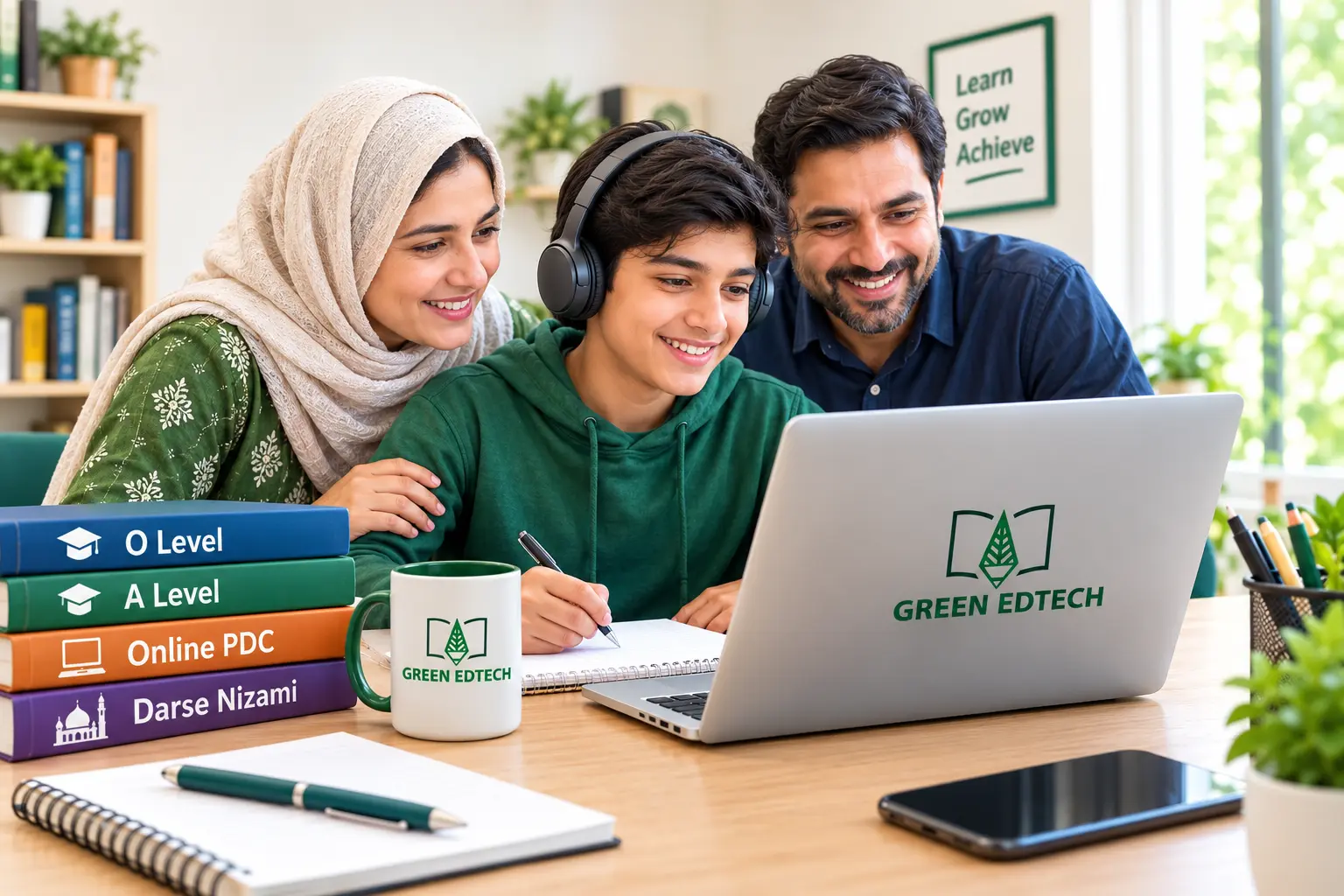

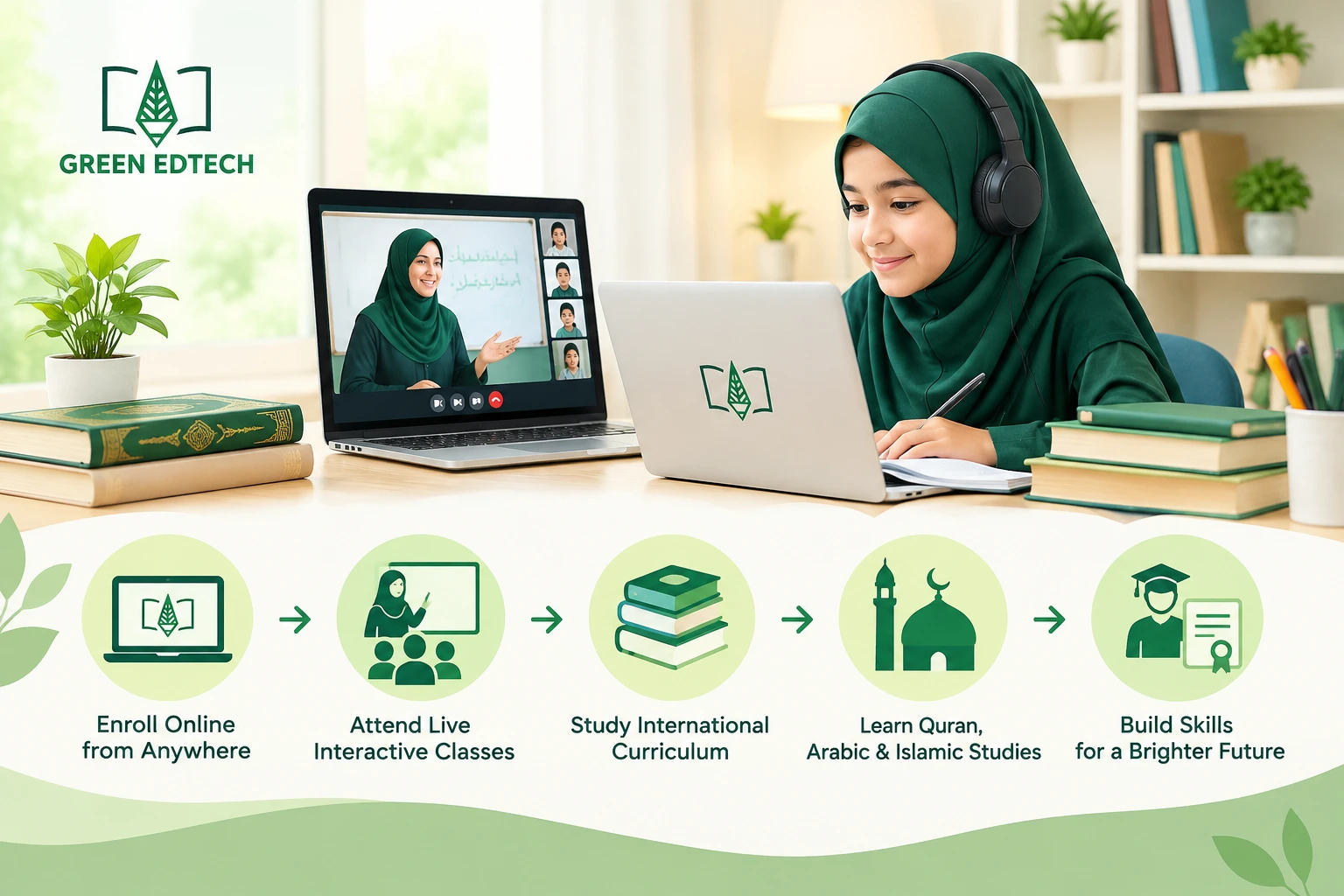
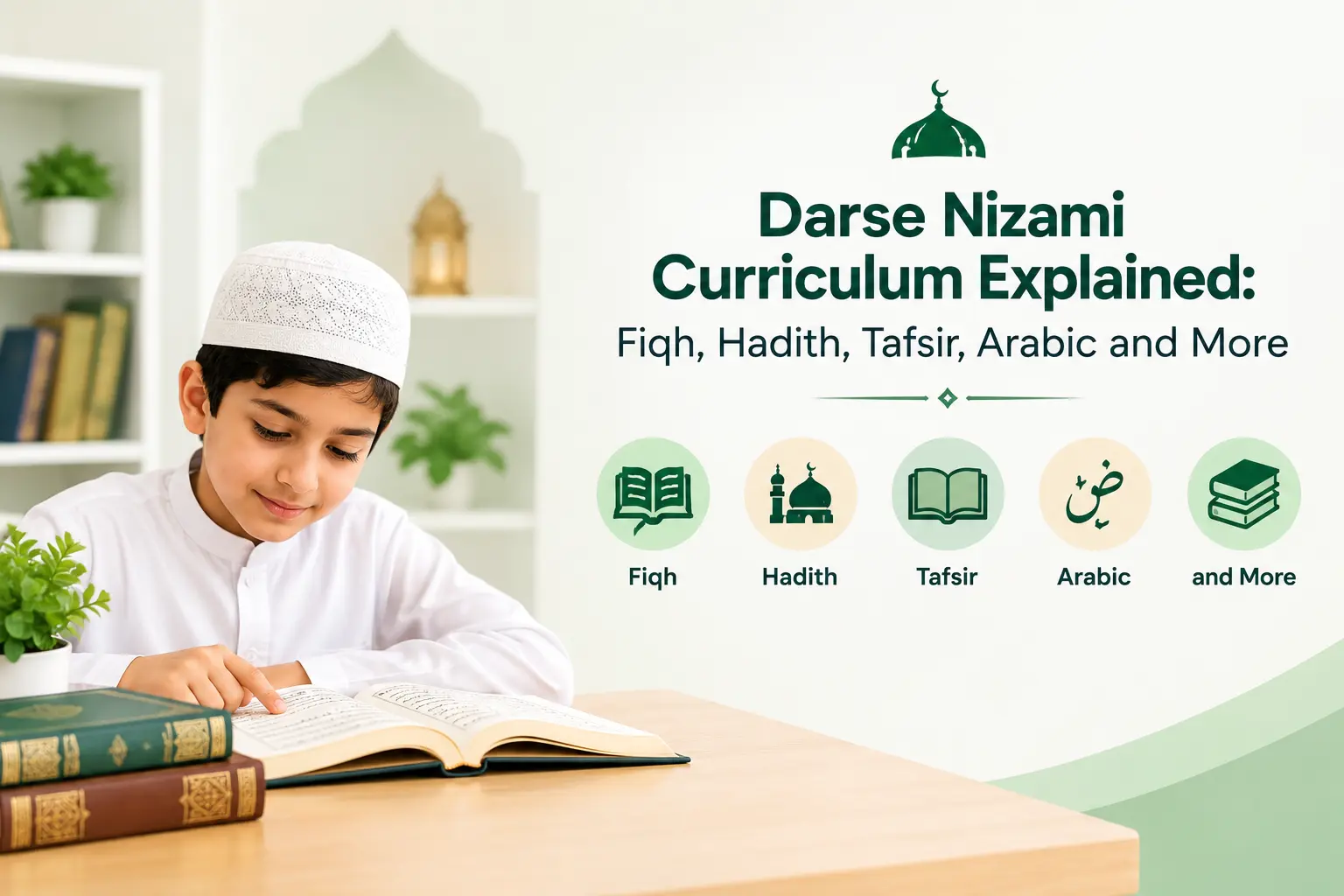
Sharia schools play a vital role in shaping the character of young Muslims. Sharia Schools Build Strong Muslim Communities by instilling values such as honesty, respect, responsibility, and compassion from an early age. Through modern learning approaches supported by green ed tech for homeschooling, students receive a balanced education that combines Islamic teachings with academic excellence. Many institutions also offer an online Dars e Nizami course, allowing students to gain in-depth Islamic knowledge while continuing their regular studies. In addition, online School classes provide flexible learning opportunities for families who prefer quality education from home without compromising academic standards.
An International School that integrates Islamic values with a globally recognized curriculum prepares students to succeed in higher education and professional careers while remaining connected to their faith. As these children grow, they bring their strong moral values into their homes and communities. Their discipline, spiritual awareness, and sense of responsibility inspire others, helping create stronger families, more united communities, and a positive impact on society as a whole.
Strengthening Family Bonds through Faith
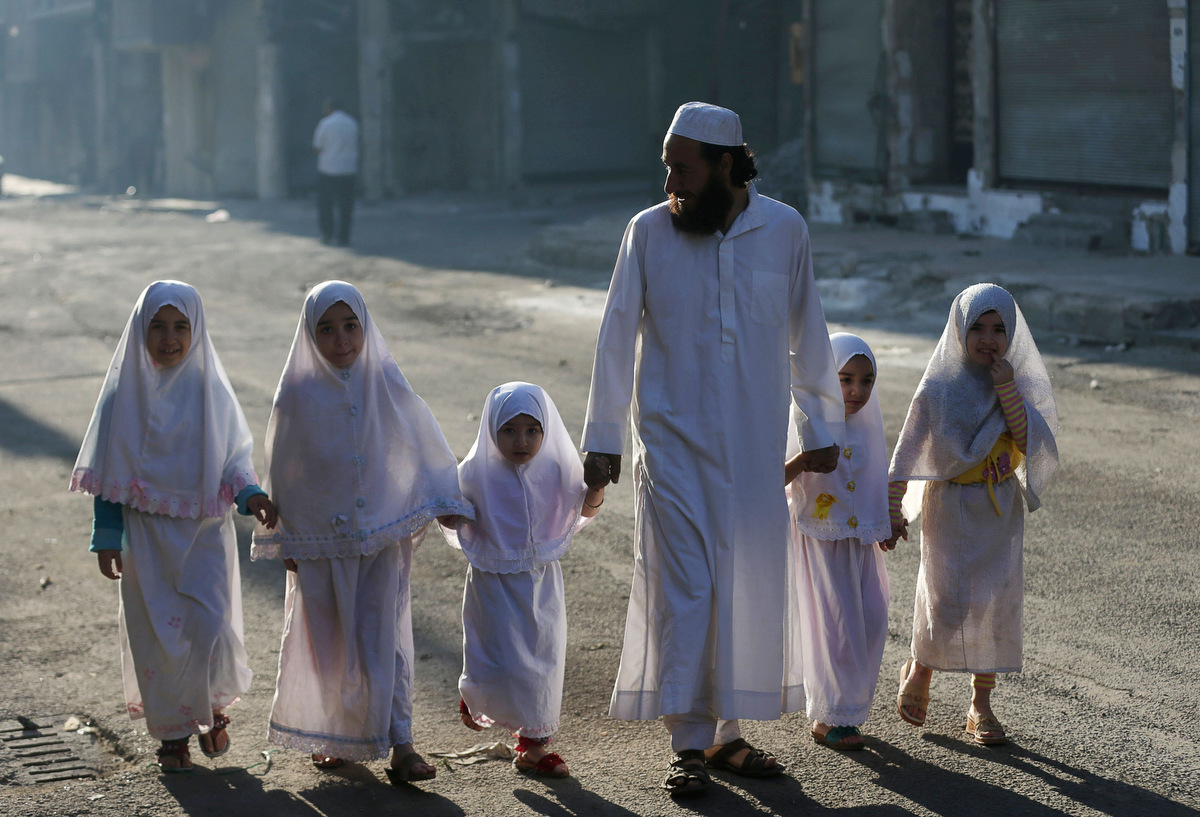
Faith is the heart of family life in many Muslim homes. Sharia schools reinforce Islamic teachings that promote family unity. Students learn the importance of obeying and respecting parents through structured learning environments and online school classes. They are encouraged to practice gratitude and kindness at home. As they understand their religious duties, they naturally take part in family prayers, fasting, and other Islamic practices. Green EdTech also supports modern learning experiences while helping students stay connected to Islamic values. This shared faith strengthens the bond between family members.
Encouraging Parental Involvement
Sharia schools foster close communication between educators and parents. Many schools regularly organise parent-teacher meetings, Islamic workshops, and family events. Green EdTech also supports modern learning experiences and helps parents stay involved in their child’s religious and academic progress. Programs such as online Darse Nizami provide additional opportunities for structured Islamic learning. When families and schools work together, children receive consistent guidance. This teamwork leads to better behaviour, stronger academic performance, and deeper religious commitment.
Empowering Communities with Educated Youth
A well-educated generation is the backbone of any community. The Role of Sharia Schools in Modern Islamic Education extends far beyond producing religious scholars. These institutions help develop confident, knowledgeable citizens by offering education in both religious and modern subjects. As a result, students grow up well-prepared to contribute positively to society. Many go on to become community leaders, teachers, and professionals. Their knowledge and values inspire others, helping to uplift entire neighborhoods.
Promoting Social Harmony and Unity
Through their teachings, Sharia schools encourage empathy and service. Students are taught to help the poor, respect elders, and support those in need. These lessons translate into real-world actions. From volunteering in mosques to supporting local charities, students become active community members. Their good deeds inspire others to participate, creating a strong, caring network within the community.
Creating Safe and Nurturing Environments
Sharia schools provide a secure environment where children feel valued and respected. These schools prioritise discipline and emotional well-being. Green EdTech supports modern educational methods that help create structured learning experiences for students. With daily prayers, ethical teachings, and structured routines, students develop a sense of purpose and stability. During the online school registration process, many families also look for learning environments that encourage values and personal growth. This positive atmosphere reflects in their home lives, where they become more peaceful, focused, and cooperative.
Conclusion
Sharia schools are more than places of learning; they are pillars of Muslim communities. By instilling strong values, nurturing faith, and promoting social responsibility, they shape future generations. Green EdTech supports modern educational approaches that help strengthen meaningful learning experiences. Strong families build united communities and proudly pass Islamic values to future generations with purpose and meaning. A demo class can also help families understand learning methods and educational environments before making decisions. Their impact lasts far beyond the classroom walls.
