
Islamic Schools in today’s fast-paced world are not just about academic excellence; they’re also about nurturing values, identity, and character. Through modern educational approaches supported by Green Edtech, students benefit from learning environments that combine academics with personal growth. Many learners also explore opportunities through an online learning academy and structured online School classes that provide flexibility in education. For students seeking a deeper religious understanding, Darse Nizami online also offers pathways to strengthen their Islamic knowledge while helping them grow into responsible, knowledgeable, and spiritually grounded individuals within the broader Role and Importance of Islamic Schools in Modern Education.
What Is an Islamic School?
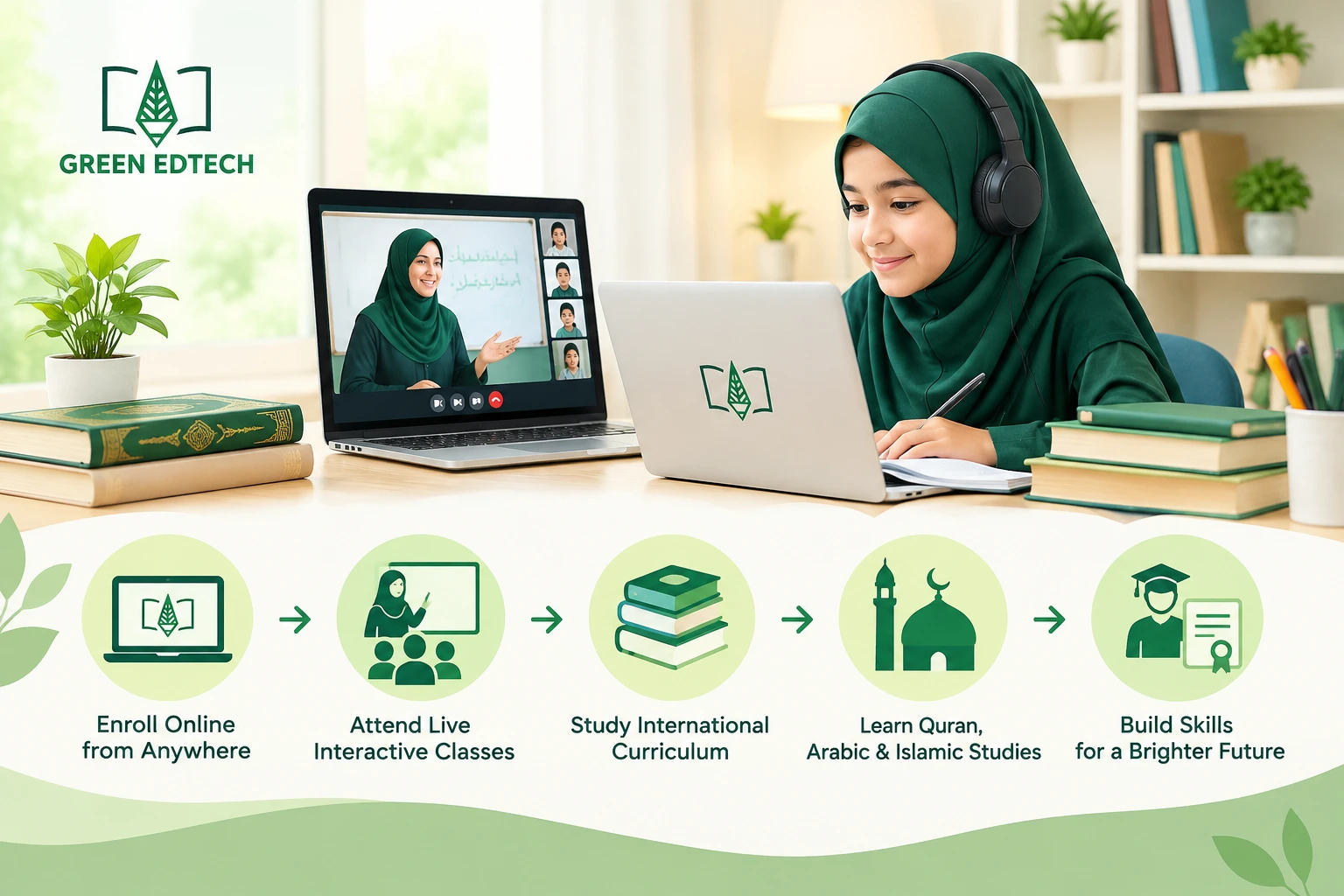
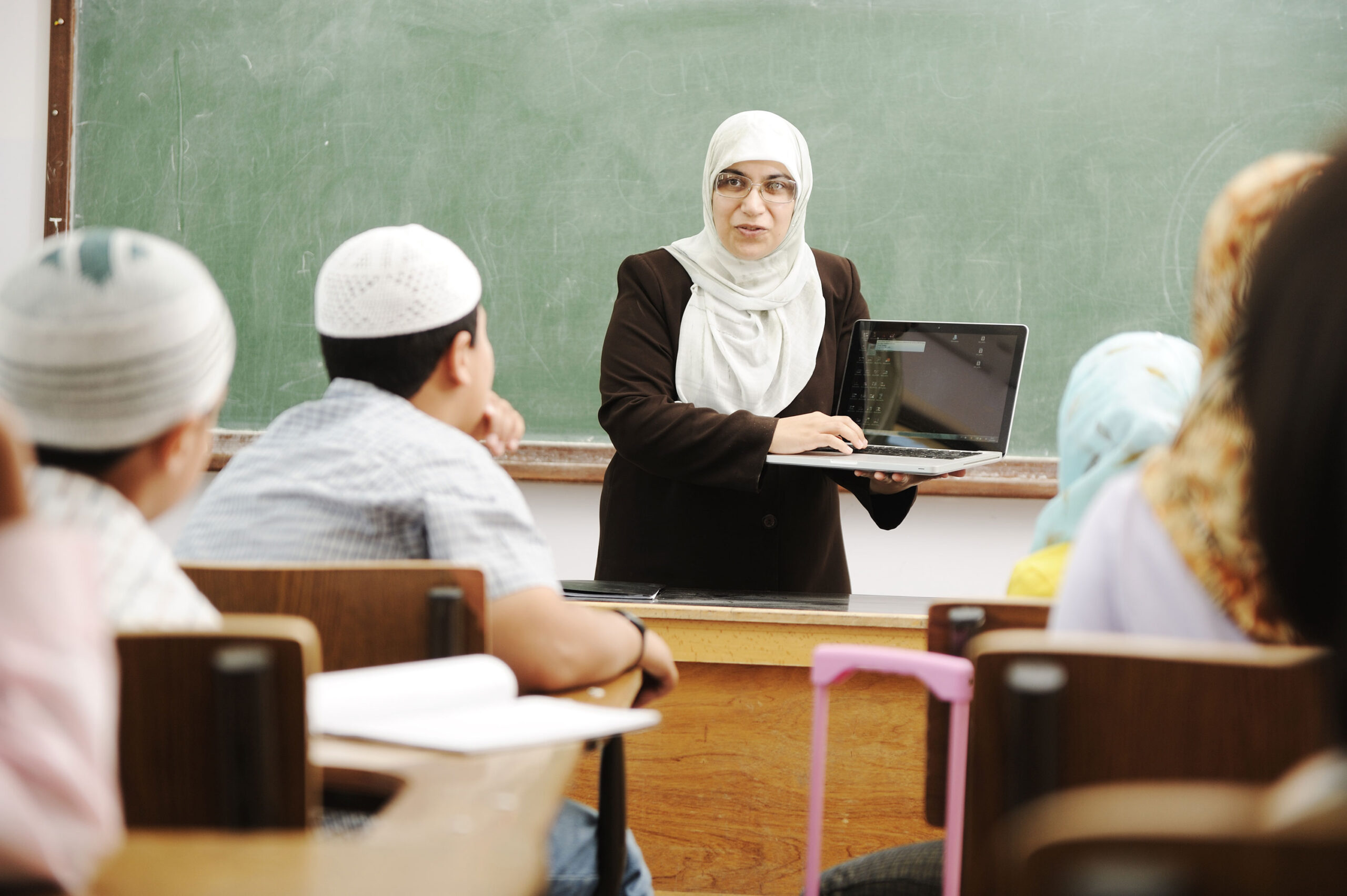
An Islamic school is an educational institution that combines the national or international curriculum (such as British, American, or local syllabuses) with Islamic teachings. Islamic schools in Karachi and other regions often follow educational models that balance academic and religious learning. Students study core subjects like Mathematics, Science, English, and Social Studies alongside Islamic Studies, Quran, Arabic, and Moral Education as part of a broader Islamic education approach. Green Edtech also supports modern learning methods, while an online learning academy and online School classes create flexible learning opportunities. Students interested in advanced religious studies may also explore online Darse Nizami programs.
These schools aim to provide holistic education, balancing academic achievement with spiritual growth and ethical development.
Key Benefits of Islamic Schools
Faith-Centred Environment
Islamic schools provide a supportive environment where students can freely practice their faith. Daily prayers, modest dress codes, and regular Quran recitation become part of the routine, helping students stay connected to their Islamic identity.
Moral and Ethical Development
Beyond textbooks, Islamic education instills strong values such as honesty, kindness, respect for elders, and community service. These traits are not only Islamic but also essential in creating well-rounded citizens. Green Ed Tech supports modern learning approaches that help students engage with values-based education. In the best Islamic school in Karachi settings, learners often also use an E-Library to access study materials and resources. Some institutions additionally offer diploma courses to support academic progression and skill development.
High Academic Standards
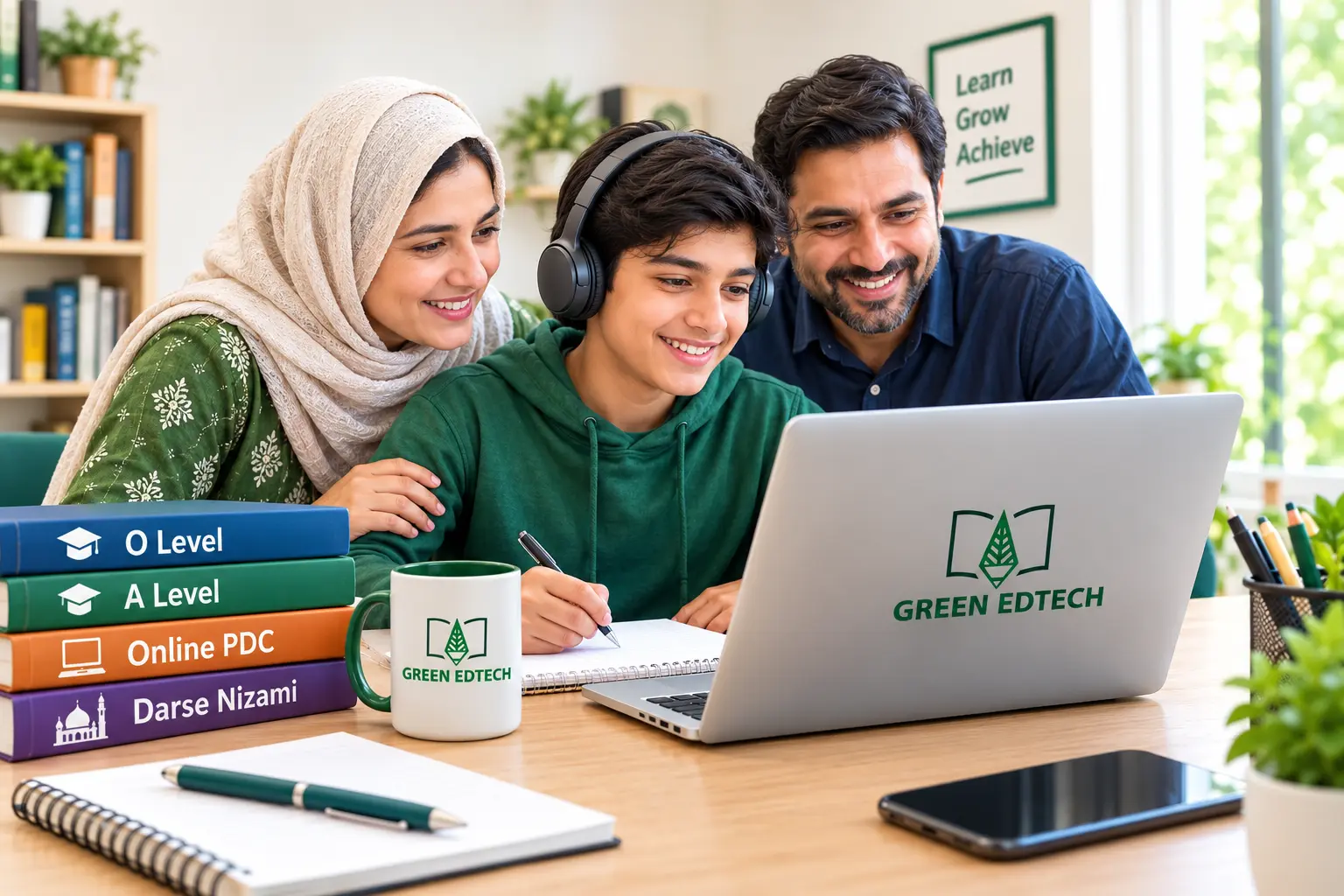
Contrary to misconceptions, many Islamic schools maintain high academic standards. Islamic International School in Pakistan institutions often follow internationally recognised curricula such as Cambridge IGCSE (O Level) and IAL (A Level) or local boards, ensuring students are well-prepared for higher education and competitive careers. These systems are also supported by Green Ed tech, which helps integrate modern learning approaches. Some institutions offer an online School option, where online school registration makes access easier for families. In addition, international school fee structures vary depending on the program, while diploma courses are also available in some academic pathways.
Language Skills
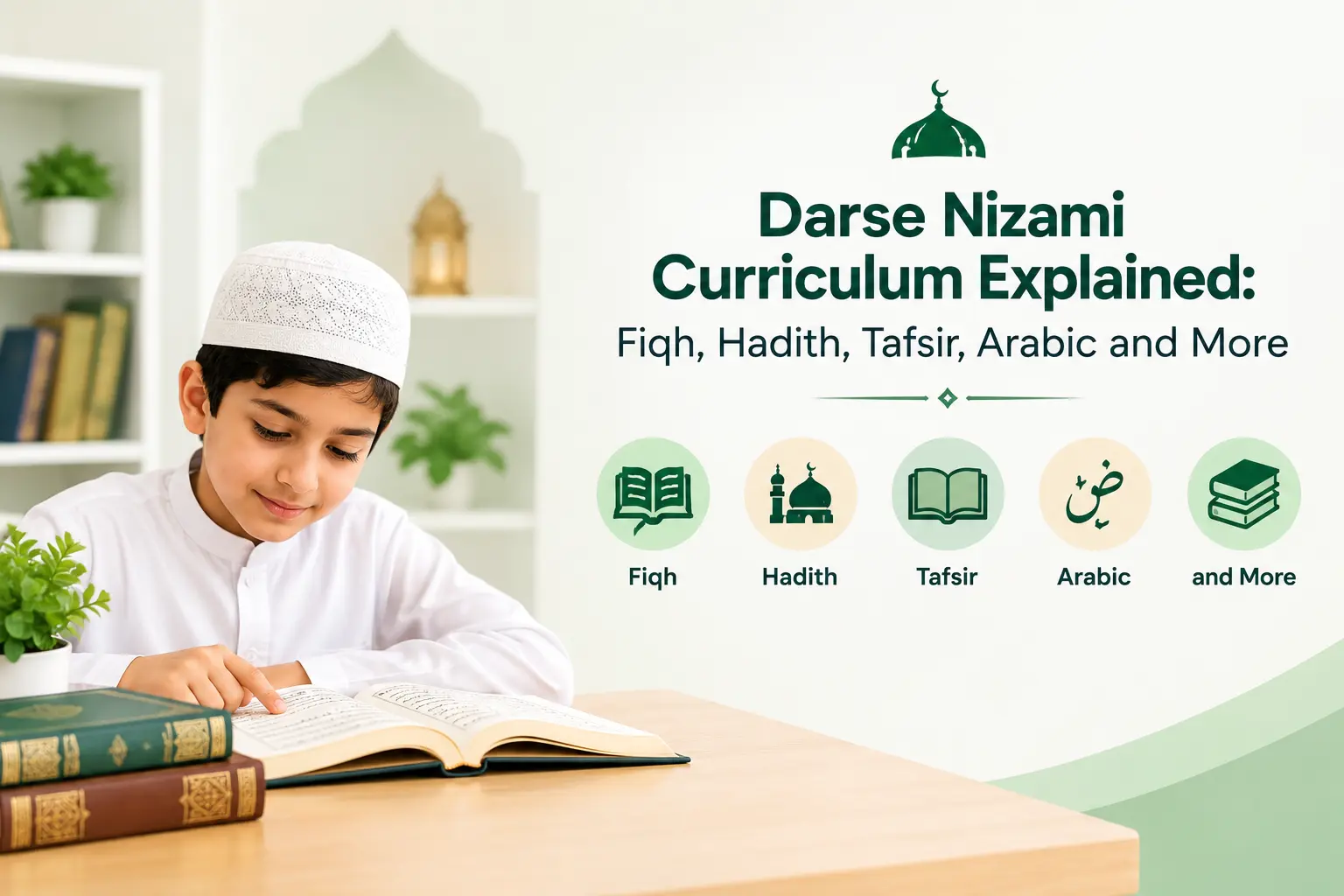
Students typically learn Arabic, which enhances their understanding of the Quran and Hadith. In many Islamic schools, teachers use English as the medium of instruction to ensure global readiness, while they also teach Urdu or other local languages to preserve cultural identity. Green Ed Tech supports Islamic education by providing modern educational tools and structured learning approaches. Some learners also access an online learning academy and attend online School classes for flexible study options. For advanced religious studies, Darse Nizami online programs are also available to support deeper learning.
Character Building and Discipline
Islamic teachings promote self-discipline, time management (through structured prayer times), and a sense of responsibility. These traits contribute positively to students’ personal and academic lives.
Who Should Consider Islamic Schooling?
Islamic schools are ideal for:
- Parents who want their children to receive both religious and academic education.
- Families who seek an environment where Islamic values are integrated into everyday learning.
- Students who thrive in structured and respectful settings.
Islamic Schools and the Modern World
Today’s Islamic schools are evolving. Many Islamic schools now offer STEM education, extracurricular activities, and technology integration—ensuring students are not only spiritually aware but also competitive in the modern workforce. Islamic education continues to play an important role in this development, including support from Green Ed Tech, which encourages modern learning methods. Some Islamic international schools in Pakistan also provide flexible online School classes and an online learning academy for wider access. In addition, online Darse Nizami programs support advanced religious studies, while a demo class can help families understand learning approaches before enrollment.
Conclusion – Islamic Schools in Modern Education
Islamic schools play a vital role in shaping the next generation of Muslims. The Role of Sharia Schools in Modern Islamic Education is becoming increasingly significant as these institutions combine authentic Islamic teachings with contemporary academic excellence. Islamic schools nurture both the mind and soul, equipping students with knowledge, character, and confidence to contribute positively to society. Empowering Islamic Schools with Modern Technology and Values ensures students benefit from innovative learning tools while remaining firmly rooted in Islamic principles and ethics. Green Ed tech reflects modern approaches that support learning development in education.
A demo class can help families better understand teaching methods, while private school online registration is often used to access admission processes. Some institutions follow the Cambridge school system, and international school fee structures vary depending on the program. By integrating digital learning, qualified educators, IGCSE Religious Studies, and faith-based values, Islamic schools prepare students to thrive academically, spiritually, and socially. For parents who value faith, quality education, and moral upbringing, Islamic schools offer the perfect balance.
