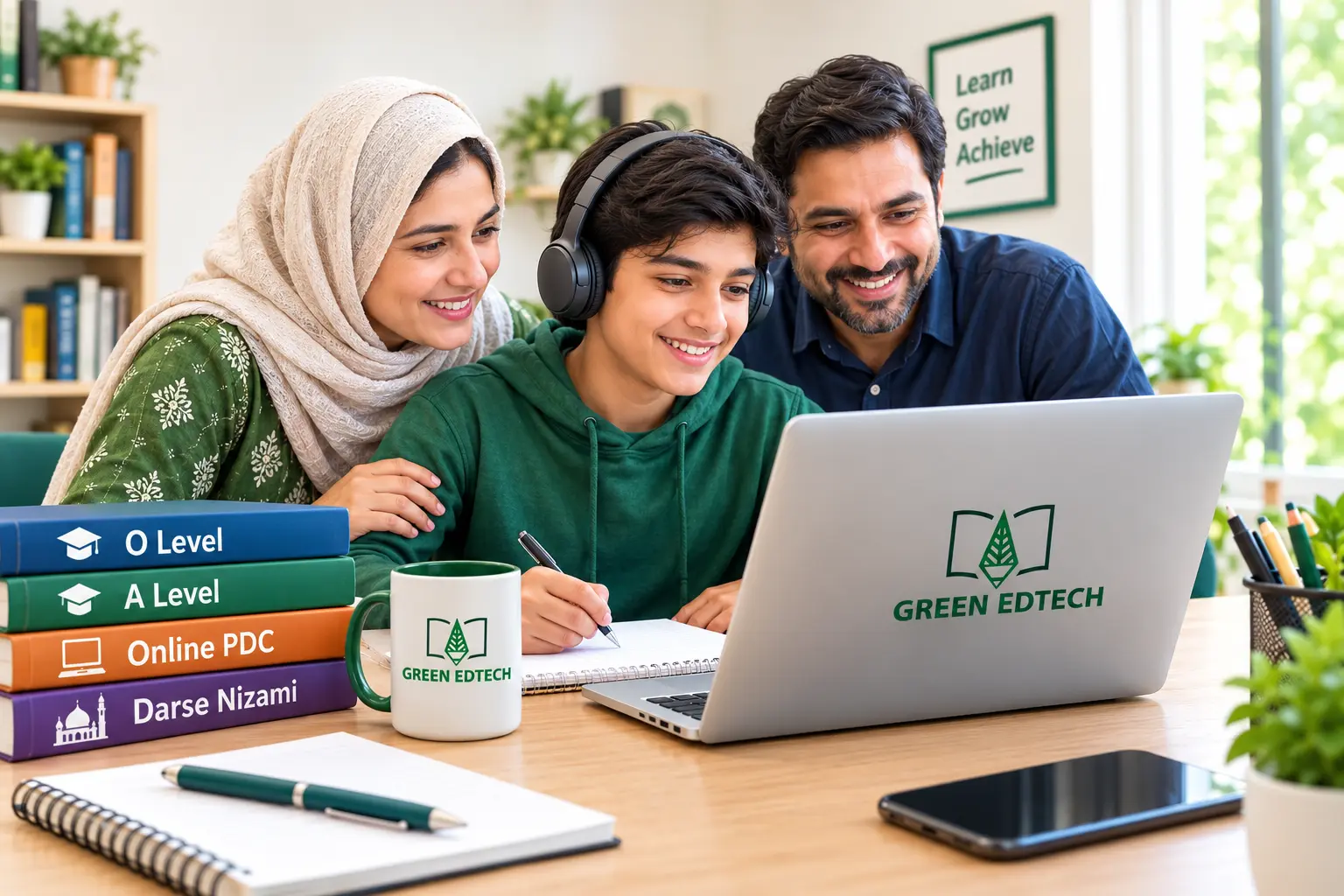

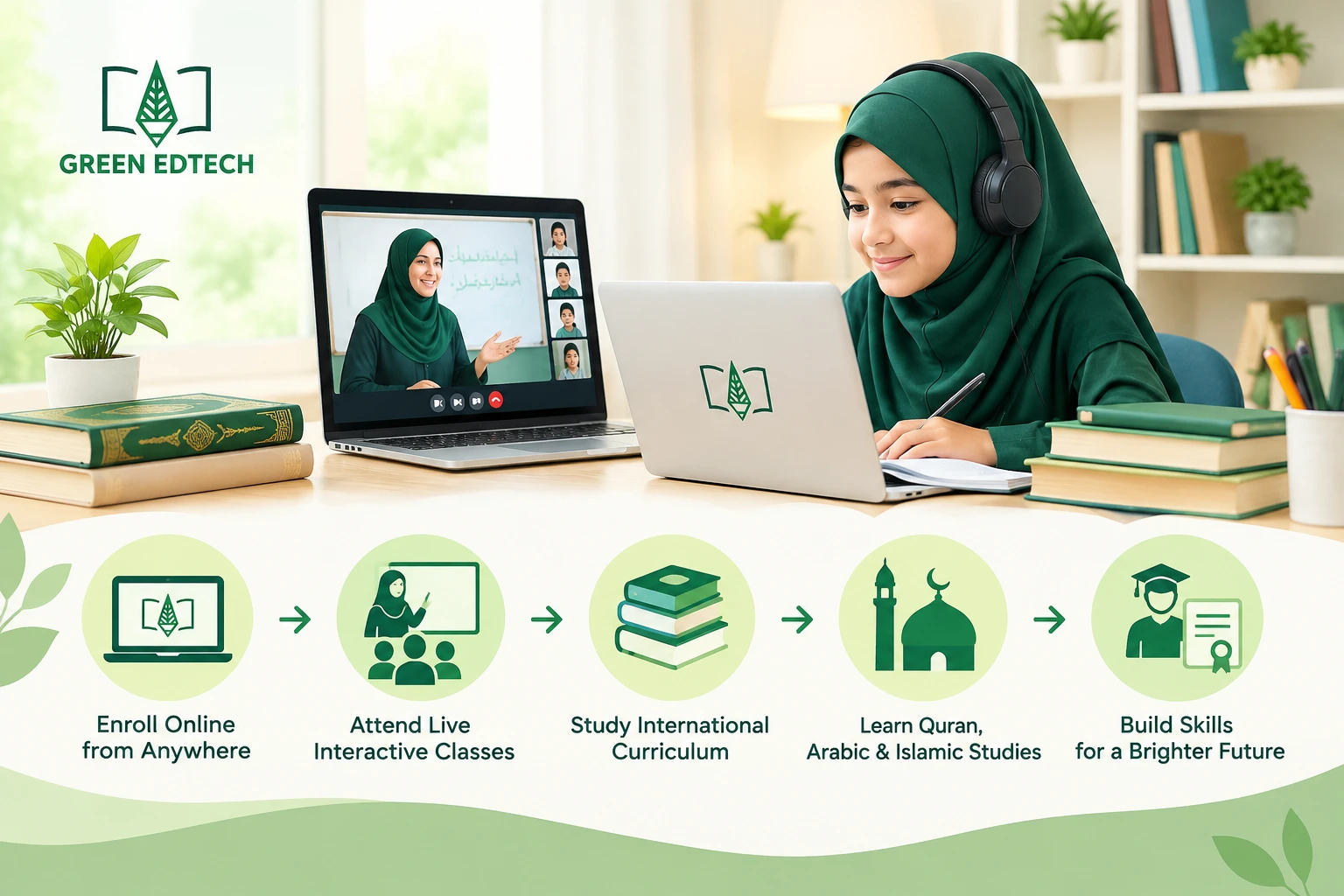
In today’s rapidly evolving educational landscape, parents want more than academic success. They seek Islamic school systems that nurture Islamic values, strong character, and future-ready skills.. Choosing an online school in Pakistan allows students to access high-quality education with the flexibility to learn from anywhere while staying connected to their faith. Through interactive online School classes, students receive personalized learning that supports academic excellence and digital skills.
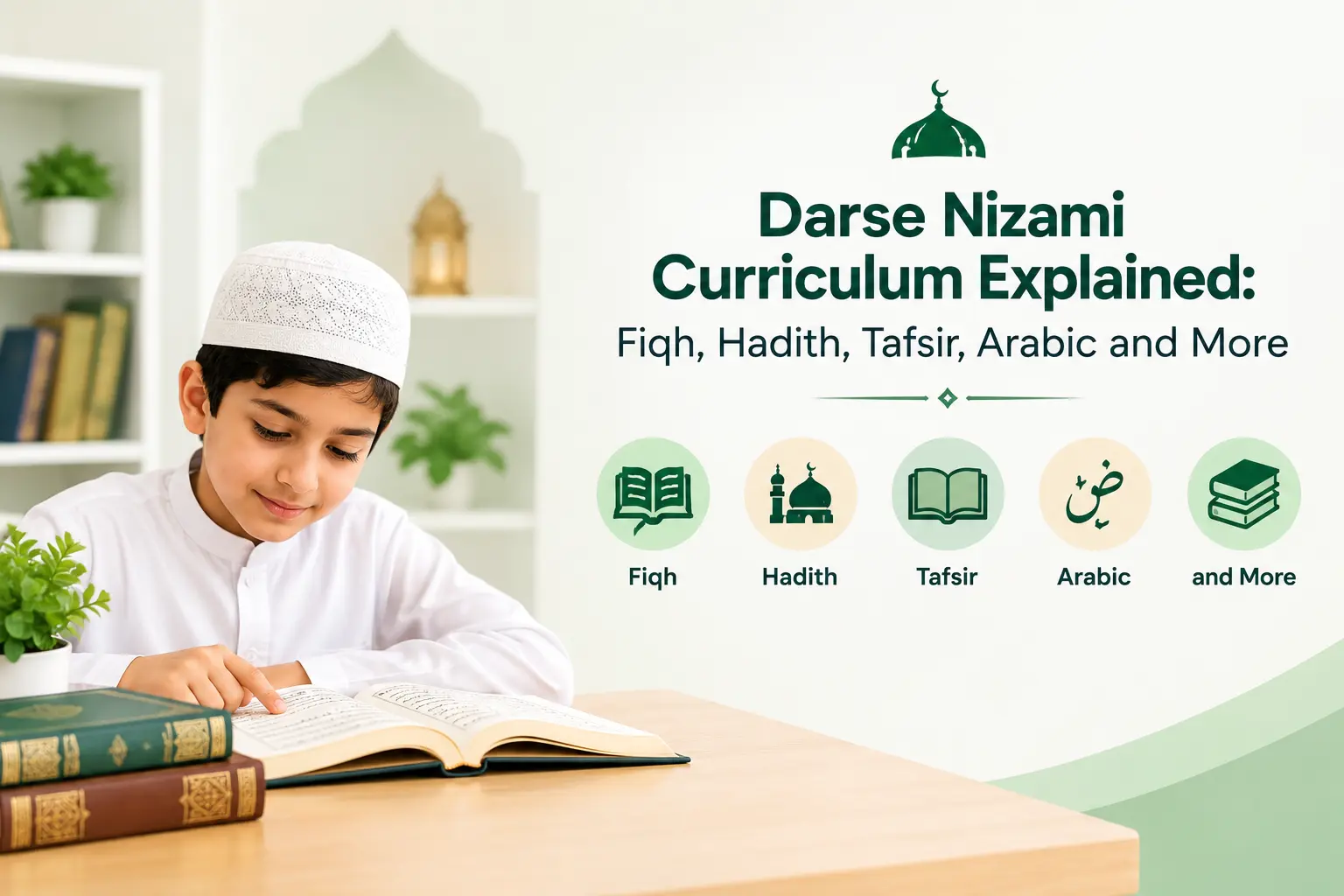
Many institutions also offer an online darse nizami course, helping children build a strong foundation in Quran, Hadith, Fiqh, and Islamic ethics alongside their regular studies. For families preferring on-campus learning, the best Islamic school in Karachi, including an Islamic Cambridge School Karachi, offers an internationally recognized curriculum. It combines modern education with Islamic teachings. As the demand for an Islamic international school in Pakistan continues to grow, these institutions are shaping confident, knowledgeable, and morally responsible leaders who are prepared to succeed in both their professional lives and their faith.
What Are Islamic School Systems?
Islamic school systems are educational institutions that integrate Islamic education and values into a comprehensive academic curriculum. Whether operating as an Islamic international school or an online school in Pakistan, these institutions provide strong secular and religious knowledge. They help students grow into well-rounded individuals.
The curriculum typically includes core subjects like mathematics, science, language arts, and social studies. It also covers Islamic studies, Quranic recitation, Arabic language, and a Darse Nizami online course. Many institutions offer interactive online School classes and a simple private school online registration process for parents seeking flexible learning options. Unlike traditional public or private schools, the best Islamic school in Karachi prioritizes a child’s faith, character, and intellectual growth. These schools help students navigate modern life while remaining rooted in their Islamic identity.
The Benefits of Islamic School Systems
- Faith-Based Education
One of the most significant advantages of Islamic school systems is their emphasis on faith-based learning. Islamic schools teach students to understand and practice the principles of Islam, including the Five Pillars of Islam, the life of Prophet Muhammad (peace be upon him), and the teachings of the Quran. This spiritual foundation helps children develop a strong sense of purpose and moral clarity. - Holistic Development
Islamic schools focus on nurturing the mind, body, and soul. In addition to academic rigor, Islamic schools encourage students to develop good character, empathy, and a sense of responsibility toward their community. Activities like community service, charity drives, and Islamic events are often integral parts of the school experience. - Safe and Inclusive Environment
Islamic school systems provide a safe space where students can practice their faith freely without fear of discrimination or misunderstanding. Wearing hijab, praying during school hours, and observing Islamic holidays are not only accepted but celebrated. This inclusivity fosters a sense of belonging and confidence among students. - Strong Academic Standards
Contrary to the misconception that Islamic schools prioritize religion over academics, the Rise of Islamic School Systems demonstrates their commitment to academic excellence. They often follow national or international curricula, preparing students for higher education and competitive careers. Many institutions also offer a demo class, allowing parents to experience the quality of education before enrollment. - Cultural and Religious Identity
In a globalized world, maintaining cultural and religious identity can be challenging. The Importance of Islamic Schools in Modern Education is reflected in how these institutions help students stay connected to their heritage by teaching Arabic, Islamic history, and cultural traditions. An Islamic School Empowered with Modern Tech and Values supports students in respecting diversity while taking pride in their identity.
The Structure of Islamic School Systems
Islamic school systems vary in structure and approach, but they generally share common features:
- Curriculum: A balanced mix of secular and Islamic subjects, often aligned with national education standards.
- Faculty: Teachers who are not only qualified in their respective fields but also well-versed in Islamic teachings.
- Facilities: Schools are equipped with prayer rooms, halal cafeterias, and spaces for Islamic activities.
- Extracurricular Activities: Programs like Quran competitions, Islamic art, and sports are offered to enrich the student experience.
Many Islamic schools also collaborate with local mosques and Islamic centers, creating a strong support network for families.
Why Islamic School Systems Are Gaining Popularity
The demand for Islamic school systems has grown significantly in recent years, driven by several factors:
- Rising Awareness of Islamic Values
As Muslim communities grow and become more established, there is a greater emphasis on preserving Islamic values in the next generation. Parents want their children to grow up with a deep understanding of their faith. - Concerns About Public School Systems
Many parents feel that public schools do not adequately address the spiritual and moral needs of their children. Islamic schools offer an alternative where faith and education go hand in hand. - Success Stories
Graduates of Islamic school systems often excel academically and professionally while maintaining strong ties to their faith. These success stories inspire more families to choose Islamic education. - Community Building
Islamic schools serve as hubs for Muslim communities, bringing families together and fostering a sense of unity. This communal aspect is particularly valuable in non-Muslim-majority countries.
Challenges and Opportunities
While Islamic school systems offer numerous benefits, they also face challenges. Funding, accreditation, and attracting qualified teachers are common issues. However, many schools are overcoming these hurdles through community support, partnerships, and innovative approaches to education.
There is also a growing opportunity to integrate technology into Islamic education. Online learning platforms, virtual Quran classes, and digital resources are making Islamic education more accessible than ever.
Choosing the Right Islamic School System
If you’re considering an Islamic school for your child, here are a few tips:
- Research the Curriculum: Ensure the school offers a balanced mix of secular and Islamic education.
- Visit the School: Observe the environment, meet the teachers, and talk to other parents.
- Check Accreditation: Look for schools that are accredited by recognized educational bodies.
- Consider Extracurriculars: A well-rounded education includes activities beyond the classroom.
Conclusion
Islamic school systems are more than just educational institutions; they are nurturing environments that help develop the next generation of confident, knowledgeable, and faith-driven individuals. By combining academic excellence with Islamic values, these schools provide students with a balanced approach to learning, character building, and personal growth. Parents looking for the best Islamic school in Karachi, an Islamic Cambridge School Karachi, or an Islamic international school in Pakistan can explore options that support both modern education and strong Islamic foundations. As education continues to evolve, Islamic Education Reimagined: The Rise of Online Learning is creating new opportunities for students to access quality learning from anywhere.
Understanding Online Islamic Schools – Why Choose Them for Your Child? Helps parents discover flexible education solutions that maintain academic standards while nurturing faith and values. By supporting Islamic school systems, we invest in a brighter, more spiritually enriched future for our children and communities worldwide.
