Reducing Paper and Physical Learning Resources
Schools traditionally use massive amounts of paper every semester. Online student portals significantly reduce this waste. Teachers deliver assignments, reading materials, and tests digitally. Therefore, this approach helps keep home learning spaces highly organized.
Making Learning More Accessible
Virtual platforms help bridge geographic distances seamlessly. A child in a rural community can often study directly with expert instructors. Ultimately, this type of digital access can change how remote families approach education.
Supporting Flexible and Personalized Education
Digital tools allow teachers to adjust lessons based on individual progress. Therefore, students can work through difficult math topics at their own pace. They simply do not have to fight a rigid classroom clock.
Preparing Students for a Digital and Sustainable Future
Future careers require a high level of comfort with modern technology. Early experience with virtual collaboration builds useful skills. Additionally, students consistently develop eco-conscious habits. These practices can help students develop resource management skills.
How Green EdTech Is Changing K–12 Education
Digital tools shape each grade level quite differently.
Green EdTech for Preschool and Early Years
Parents searching for a preschool curriculum homeschool can explore hybrid early-years programs. Interactive apps let young children steadily build basic skills at home. Consequently, early-years platforms now frequently include digital tools designed specifically for toddlers.
Green EdTech for Primary and Elementary Students
Younger kids adapt to screens very quickly. Quality online primary schools direct that curiosity into interactive math activities. Kids pick up the basics fast this way- reading, math, the fundamentals- without it feeling like extra work on top of everything else. That’s a big reason families sticking with online classes tend to see steady progress rather than the usual stop-and-start.
More families in Pakistan are choosing online schooling these days, and it’s not hard to see why. The commute disappears, kids get more one-on-one time with teachers than a packed classroom usually allows, and parents finally get some flexibility back in their day
Green EdTech for Middle and Senior School Students
Older students often do better with more independence in how they study, and that’s exactly where virtual programs tend to fit. Parents comparing senior schools near me are increasingly looking at online options as well, partly because virtual models often offer more elective choices than a typical campus does.
A K12 international academy, for example, delivers full coursework without anyone needing to commute anywhere.
Academic School Subjects
Cambridge’s curriculum was built around consistent global standards, which makes it a natural fit for online delivery. Students typically start with a Cambridge elementary school program and then progress to O Level coursework. From there, online Cambridge or Pearson Edexcel pathways let students skip the physical classroom altogether.
Families exploring Cambridge O Level and A Level programs in Pakistan now have digital alternatives, and in many cases, A Levels are available fully online as well.
Green EdTech and Online Schooling in Pakistan
Education in Pakistan is changing fast, and families are increasingly looking for homeschooling alternatives that fit around the realities of city life.
The Rise of Online School in Pakistan
Better home internet has opened up options that didn’t exist a few years ago. Parents tired of daily traffic delays are turning to virtual classrooms as a steadier way to keep school routines on track.
Green EdTech in Karachi
In a crowded city, cutting out the daily commute makes a real difference. Families exploring Green EdTech options often say the biggest relief is the commute disappearing altogether, no more building extra time into the morning just to beat traffic.
How Virtual Schools Support Pakistani Families
A virtual Pakistan network gives students access to internationally recognized qualifications without needing to relocate. Enrolling in a digital program helps keep academic progress on track, and the scheduling flexibility it offers is hard to match in a traditional campus setting. Parents searching for online school classes near me often find several options once they start looking.
Green EdTech for Homeschooling in Pakistan
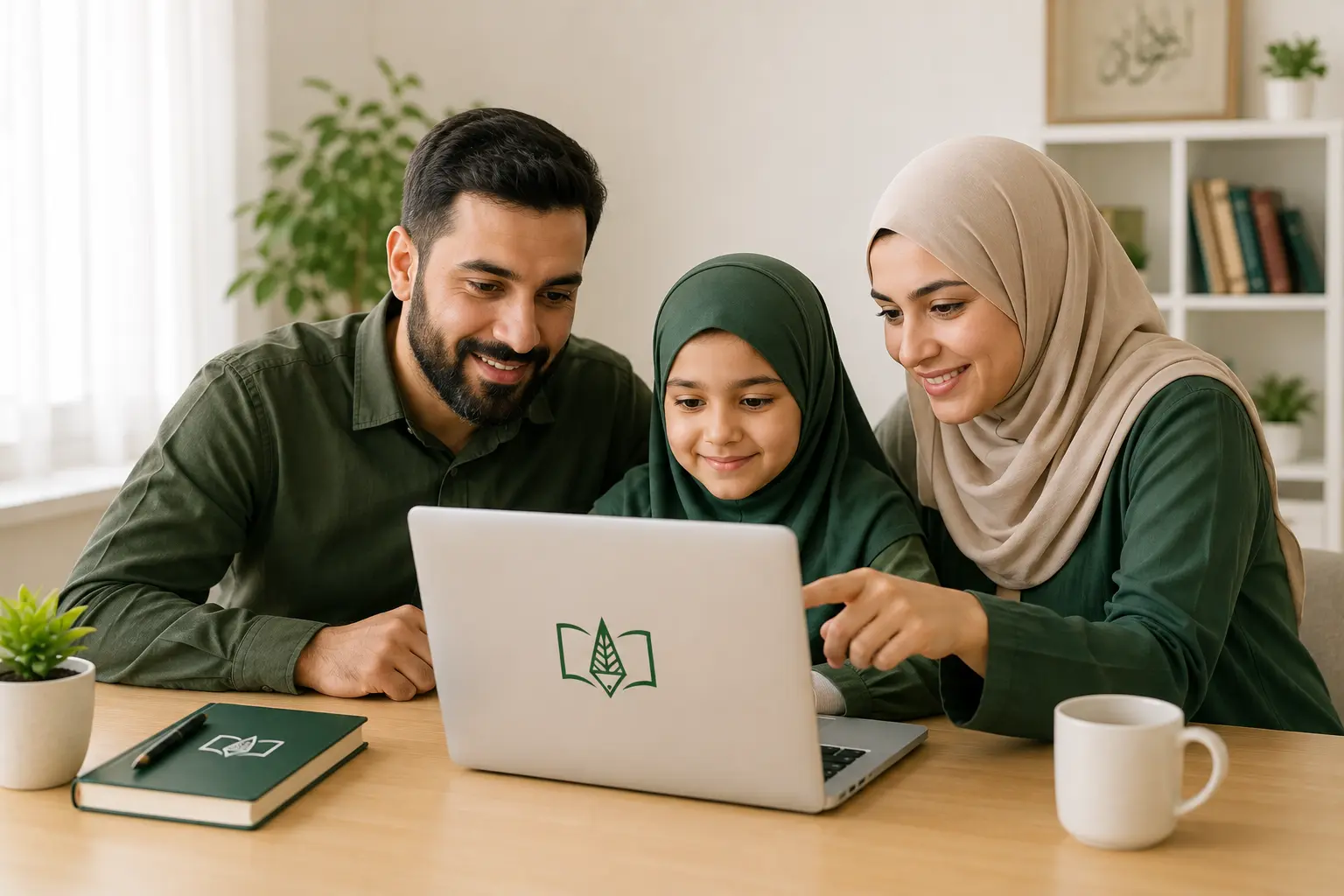
Green EdTech greatly simplifies the administrative burden of home-based learning.
What Is Online Homeschooling?
This model keeps a parent involved in the day-to-day, while qualified teachers handle the actual teaching, live lessons, grading, and everything else.
Benefits of Ed-Tech for Homeschooling
Homeschooling gives families more control over their own schedule. Ed-tech for homeschooling also helps keep students on pace with international academic benchmarks, and real-time progress dashboards mean parents aren’t left guessing between report cards. It’s part of why homeschooling in Pakistan has become a genuinely practical option for more families.
Accredited Homeschool Programs and Structured Learning
University applications strongly require recognized academic credentials. Accredited homeschool programs provide transcripts that meet the requirements of many universities. Naturally, acceptance depends on the specific institution and country.
Homeschool Registration and Online Enrollment
Getting started is usually simple. Homeschool registration happens through a secure web portal, and most schools let you handle private school online registration right from their admissions page, often in just a few minutes.
One more quick step: the actual online registration, and the student is connected to their virtual classroom.
What Can Students Learn Through an Education System?
Digital portals can provide access to a range of educational resources.
Academic School Subjects and Cambridge Programs
Core academics predictably remain the main focus. Children complete primary/elementary education goals before moving into advanced subjects. Comprehensive K–12 education can transition smoothly to K–12 online learning, allowing students to continue their academic progression in a flexible digital environment.
Religious and Islamic Education
Islamic education forms a vital part of learning for many families. Digital platforms now offer structured Islamic studies clearly. This makes an Online Darse Nizami course highly accessible. Families can access a course online directly from home. Those searching for a Darse Nizami can easily consider structured online alternatives.
The platform also partnered with Hidayah Academy, and Green EdTech signed an education MOU with the academy, allowing students to receive structured Islamic education integrated alongside their regular coursework.
Technology and Career-Focused Courses
For students wishing to go beyond basic academic studies, the platform also offers specialized IT courses in Karachi. Comparing some of the best diploma courses side by side makes it easier to figure out which path actually connects to the career someone’s aiming for.
A Green EdTech Online School that includes these options gives students a head start on practical digital skills well before they’d normally encounter them.
Green EdTech vs. Traditional Schooling: Which Is Better?
Let us objectively compare the two models below.
| Factor | Traditional Schooling | Green EdTech |
| Learning location | Physical campus | Online/virtual |
| Paper usage | Higher | Potentially lower |
| Flexibility | Fixed schedule | More flexible |
| Accessibility | Location dependent | Wider reach |
| Technology | Supporting role | Central learning environment |
| Personalization | Varies | Can be highly personalized |
| Global access | Limited by location | Potentially international |
Note: Digital learning is not inherently an eco-friendlier method. Its actual environmental footprint depends on factors such as electricity sources, the lifespan of devices, data infrastructure, and how well users manage all these elements.
How to Choose a Green EdTech School or Online Education Provider?
Picking the right virtual school takes some real vetting. Here’s what’s worth checking first.
Check Accreditation and Curriculum
Confirm the credentials upfront, and make sure the program itself is actually recognized.
Look for Qualified Teachers
Certified teachers who keep classes genuinely interactive make a real difference; good instruction still matters just as much online as it does in person.
Evaluate Online Learning Technology
Test the platform demo before completing any registration process. Ensure that the software offers an intuitive interface for students.
Check Student Support and Assessment
Students absolutely need reliable help when stuck. Regular assessments ensure knowledge retention efficiently. This remains an important feature of a reliable Green EdTech international academy.
Compare Tuition Fees and Enrollment Options
Digital education may offer fee structures that differ from those of traditional campuses. Ensure that the online enrollment process clearly outlines all fees upfront.
Is Green Educational Technology the Future of Education?
Digital systems are reshaping how students learn globally. Virtual classrooms foster cross-cultural collaboration in ways a single campus rarely can, and integrating sustainability into education raises awareness of resource conservation, a lesson students will remember long after graduation.
Exploring digital options prepares students for an increasingly connected world, one where the boundaries between “school” and “everywhere else” keep getting blurrier.
Who’s Behind Green EdTech
Green EdTech isn’t run by a tech company that decided to get into education. It’s built by people who’ve spent their careers inside actual classrooms.
Quratulain Babar, Co-Founder, has over 17 years of experience in teaching, academic management, and school leadership, with a strong background in Cambridge and international education. Her focus has always been on the human side of this shift: training teachers well, building digital tools that actually help, and keeping the classroom centered on the student rather than the software.
Leading the school as Founder, President, and CEO is Dr. Muhammad Imran Ashraf Usmani, a respected scholar of Islamic finance. Under him, Green EdTech has grown into an internationally accredited K–12 school that blends standard academics with structured Islamic education, the same combination this article has been pointing to all along. Modern tools are used with a clear sense of what actually matters to the families choosing them.
Why Green EdTech Can Be a Smarter Choice for Modern Families
Families generally seek academic rigor, flexibility, and reasonable pricing. Digital learning successfully combines K–12 education, specialized classes, and homeschooling tools into one flexible environment.
“Moving our daughter to an online academy was life-changing. We save on commuting fees, enjoy flexible hours, and receive an education rivaling the best international schools Middle East expats prefer.” – Sarah M., Expat Parent
- Explore a school admissions process to see if it fits your family.
- Review Green EdTech curriculum options online.
- Compare online education fees and enrollment requirements.
Frequently Asked Questions About Green EdTech
Q1. How Does a Green EdTech Homeschooling Support Sustainable Learning?
Green EdTech homeschooling combines digital learning with sustainable practices, reducing the need for printed materials and daily commuting through cloud-based classrooms.
Q2. Is Green EdTech suitable for K–12 students?
It is, and platforms are typically built by age group, so preschool, elementary students, and high schoolers each get an interface suited to them.
Q3. Can students study through Green EdTech International Institute?
Lessons, assignments, assessments, and communication all happen through the digital platform; no physical classroom required.
Q4. Are there online education opportunities in Pakistan?
Yes, it is a widely available option. Students simply need a stable internet connection to attend classes from home.
Q5. Can Green EdTech support home-based education?
Yes, it can. Many programs include features such as structured lesson plans, live classes taught by certified teachers, and exam support.
Q6. Are Cambridge O Level and Cambridge A Levels programs available online?
They are, though availability and subject options vary by provider.
Q7. Which are the best international schools in the Middle East for expat families?
There’s no single best option; it depends on the family’s needs. That’s part of why many expat families lean toward virtual academies instead, for the flexibility.
Q8. How can parents register for an online school?
Parents usually complete the process through the online school admissions portal, filling out forms and uploading documents online.
Q9. Can I book a free demo class?
Yes. Most digital schools offer a demo class so families can see the platform before enrolling.