

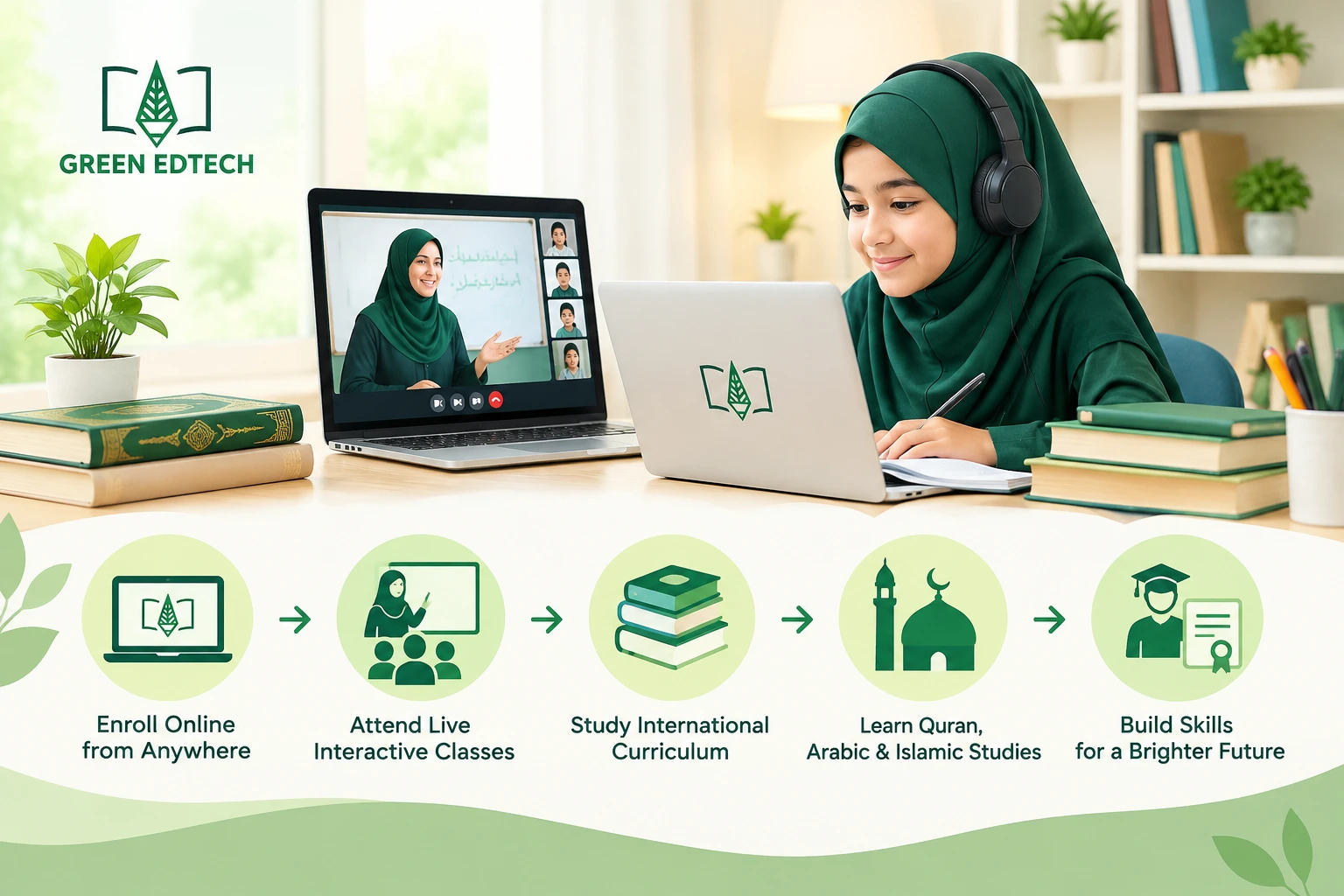

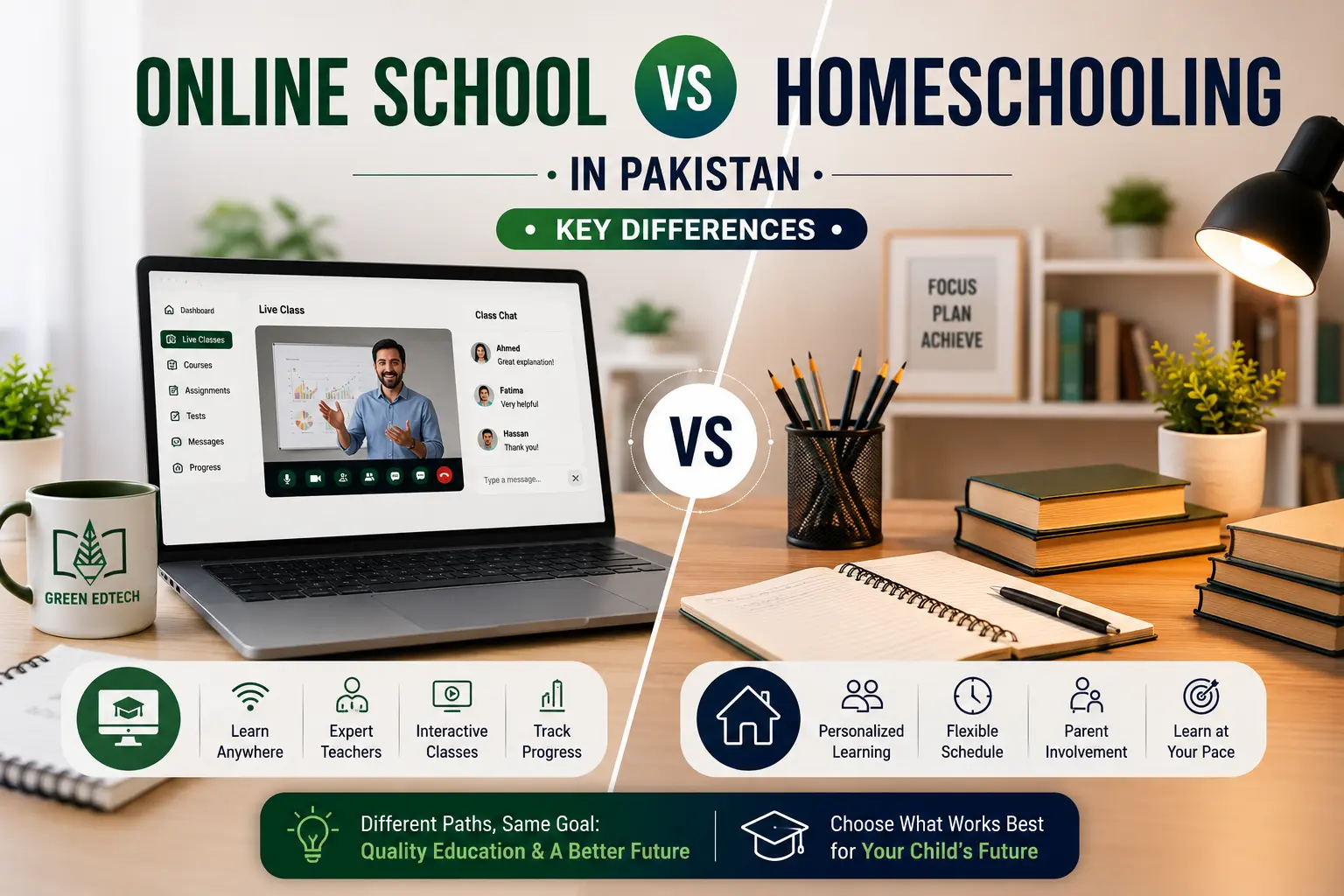
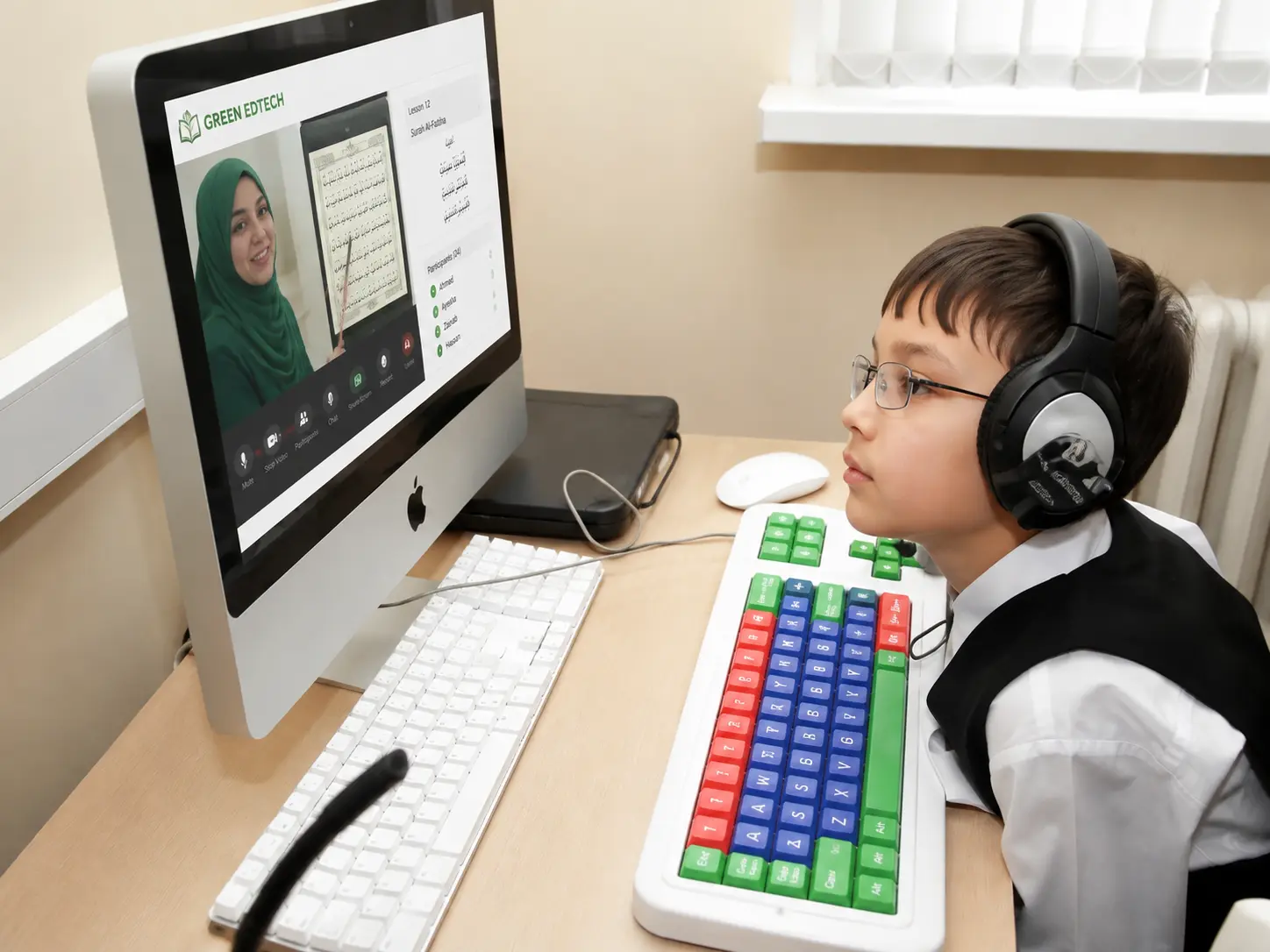
Modern Islamic Education continues to evolve with technology in the 21st century, transforming how Muslims access knowledge, connect with scholars, and practice their faith. For Muslims worldwide, technology has become a powerful tool for accessing Islamic knowledge, connecting with scholars, and building global communities. Today, homeschooling in Pakistan is becoming more effective with digital resources and online School classes, allowing students to receive quality education from the comfort of their homes.
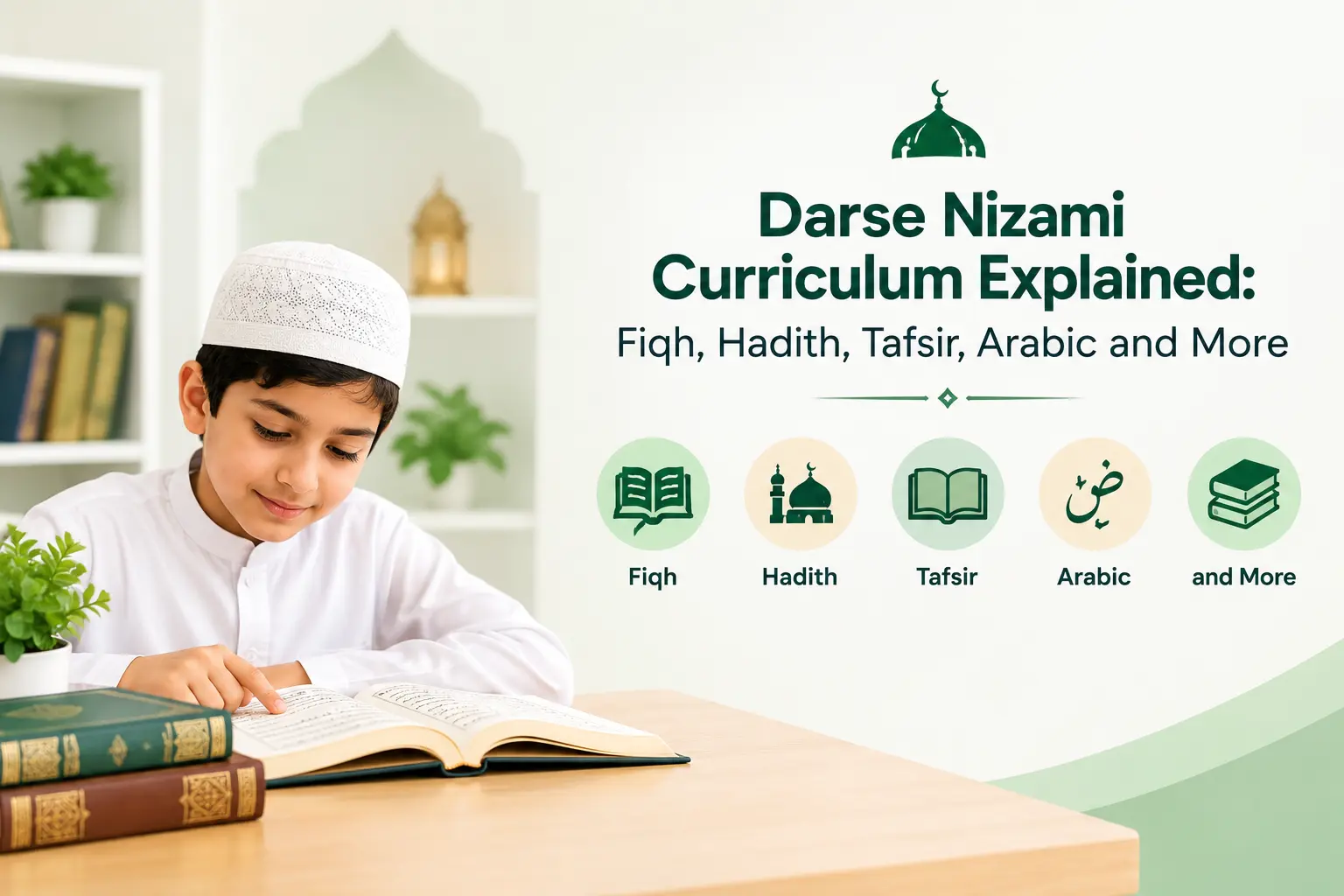
Through Digital Classrooms Transform Traditional Schooling, modern technology combines interactive learning methods with traditional educational values, creating a more engaging experience for students. Students can also explore a Darse Nizami course online to gain a deeper understanding of Islamic teachings while benefiting from flexible and accessible learning options.
The Importance of Islamic Schools in Modern Education remains significant as they nurture faith, values, and academic growth through balanced learning approaches supported by technology and global Islamic communities. In this blog, we’ll explore the role of technology in modern Islamic education and how it’s transforming the way we learn about Islam.
1. Accessibility to Modern Islamic Education Knowledge
One of the most significant impacts of technology is the democratization of Islamic knowledge. In the past, access to qualified scholars and Islamic institutions was limited by geography, language, or resources. Today, technology has broken down these barriers, making Islamic education accessible to anyone with an internet connection. Through homeschooling in Pakistan, students gain flexible learning opportunities. Online classes near me, an online dars e nizami course, and online school enrolment in Pakistan provide access to authentic Islamic education and make learning more convenient for students worldwide.
- Online Platforms: Websites like SeekersGuidance, Bayyinah Institute, and Al-Maghrib Institute offer courses on Quranic studies, Hadith, Fiqh, and more.
- Mobile Apps: Apps like Muslim Pro, Quran Companion, and Tafsir Ibn Kathir provide instant access to Quranic recitations, translations, and Tafsir.
- Social Media: Platforms like YouTube, Instagram, and Facebook host countless Islamic lectures, reminders, and educational content from renowned scholars.
2. Flexibility and Convenience
Modern Islamic Education helps Muslims continue learning despite busy lifestyles. Today’s fast-paced life means many Muslims struggle to find time for traditional Islamic classes. Technology has made it possible to learn about Islam at your own pace and schedule. A free demo class and Islamic online school admission provide easy ways to begin learning.
- On-Demand Courses: Platforms like Udemy and Teachable offer self-paced Islamic courses that you can take anytime, anywhere.
- Live Classes: Zoom and other video conferencing tools enable live, interactive classes with scholars from around the world.
- Podcasts and Audiobooks: For those on the go, podcasts and audiobooks provide a convenient way to learn about Islam during commutes or downtime.
3. Interactive Learning Tools
Technology has introduced innovative tools that make learning about Islam more engaging and effective. This approach has helped create an Islamic School Empowered with Modern Tech and Values, where students benefit from digital resources while developing strong Islamic knowledge and values.
- Quranic Apps: Apps like Quranic and Memorize Quran Online use gamification to make Quran memorization and Arabic learning fun and interactive.
- Virtual Reality (VR): Some platforms are experimenting with VR to create immersive experiences, such as virtual tours of historical Islamic sites or 3D models of the Kaaba.
- AI-Powered Tutors: Artificial intelligence is being used to create personalized learning experiences, such as AI tutors that adapt to your learning style and pace.
4. Building Global Communities
Technology has connected Muslims from all corners of the world, fostering a sense of unity and shared purpose. Understanding Online Education for Kids | Benefits, Challenges, and Tips helps parents and educators make better decisions. It supports a balanced learning experience that encourages academic growth and Islamic values.
- Online Forums: Platforms like Reddit and Facebook host vibrant communities where Muslims can discuss Islamic topics, ask questions, and share resources.
- Virtual Mosques: Online platforms like Muslim Central and Islamic Relief offer virtual prayer spaces, live Khutbahs (sermons), and community events.
- Social Media Movements: Hashtags like #MuslimTwitter and #IslamicReminders create spaces for Muslims to share their faith and inspire others.
5. Preserving and Sharing Islamic Heritage
Technology plays a crucial role in preserving and sharing Islamic heritage, from ancient manuscripts to historical sites.
- Digital Libraries: Websites like Al-Islam.org and the Islamic Manuscript Association provide access to thousands of Islamic texts and manuscripts.
- Virtual Museums: Online exhibits and virtual tours allow Muslims to explore Islamic art, architecture, and history from the comfort of their homes.
- Documentaries and Films: Platforms like Netflix and YouTube host documentaries that educate viewers about Islamic history and culture.
6. Empowering Women and Youth
Technology has empowered Muslim women and youth to take an active role in Islamic education.
- Women-Only Platforms: Websites like Sisters’ Circle and Virtual Mosques for Women provide safe spaces for women to learn and connect.
- Youth Engagement: Apps and social media platforms cater to younger audiences, making Islamic education relatable and engaging.
- Female Scholars: Technology has amplified the voices of female scholars, making their teachings more accessible to a global audience.
7. Challenges and Considerations
While technology has brought many benefits to Islamic education, it’s important to approach it with caution and mindfulness. Understanding Online Education for Kids | Benefits, Challenges, and Tips can help parents and educators create a balanced learning experience that supports both academic growth and Islamic values.
- Quality Control: Not all online content is accurate or reliable. Always verify the credentials of scholars and platforms before relying on their teachings.
- Screen Time: Excessive screen time can be detrimental to mental and spiritual health. Balance online learning with offline practices like Salah and Quran reading.
- Digital Divide: Not everyone has access to technology or the internet. Efforts should be made to ensure that Islamic education remains inclusive and accessible to all.
8. The Future of Modern Islamic Education
As technology continues to evolve, so too will its role in Islamic education. Here are some trends to watch for in the coming years:
- AI and Machine Learning: These technologies will enable more personalized and adaptive learning experiences.
- Blockchain: Blockchain technology could be used to verify the authenticity of Islamic texts and certifications.
- Augmented Reality (AR): AR could be used to create interactive learning experiences, such as overlaying Quranic verses onto physical objects.
Final Thoughts
Technology has transformed modern Islamic education, making it more accessible, flexible, and engaging than ever before. From online platforms and mobile apps to social media and virtual reality, the possibilities are endless. An Islamic international school and an online School in Pakistan provide modern learning opportunities, while a Darse Nizami Online course supports authentic Islamic studies. Exploring Online Islamic Education – Top 10 Powerful Platforms helps learners choose effective digital resources. However, technology should complement traditional learning and worship.
