In recent years, there has been a remarkable shift in e-learning and how students learn in educational institutions across the UAE, GCC, and Pakistan. According to recent UNESCO reports and prominent global EdTech firms from 2022 to 2024, there has been impressive investment in more effective learning systems, teacher empowerment tools, and online learning platforms for all students. Institutions such as Karachi International School and Pearson’s International are reflecting these changes through modern education curriculum models and digital learning approaches.
When looking into the future for 2026, the importance of school remains strong, but learning is becoming more hybrid, inclusive, and skill-based. The growth of online school options, online classes, online study in Pakistan, and homeschooling programs is expanding access to quality education. Parents searching for schools near my location or a nearby school are also considering flexible learning solutions. It is becoming a space where school leaders, teachers, parents, and students must work together, not just to keep up with technology but to shape how it is used.
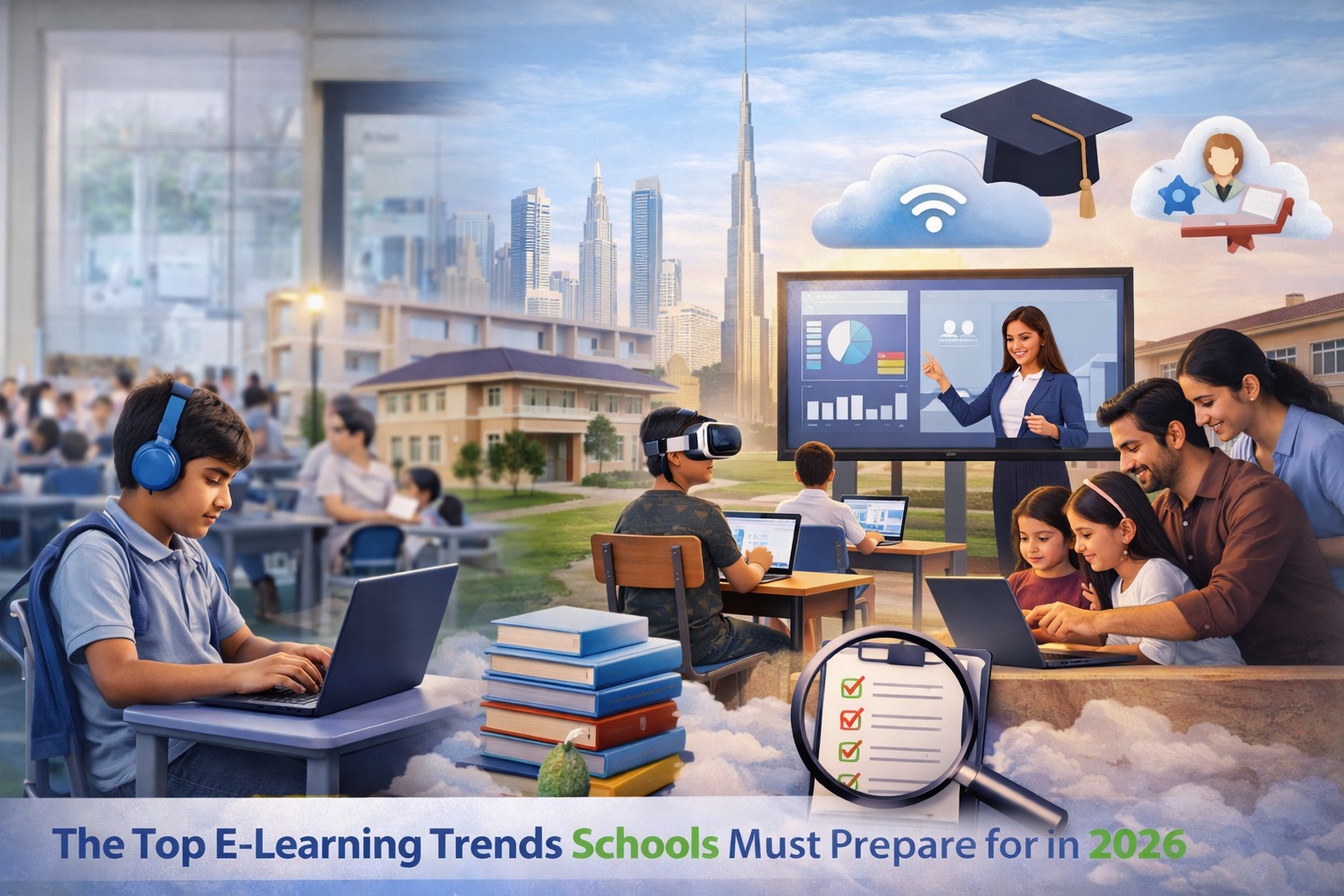
Here are the main trends that could shape traditional schooling in 2026.
AI-Powered & Personalized Learning — Helping Students Learn at Their Own Pace
There has been a gradual increase in demand for adaptive learning platforms in K-12, international, and private educational institutions, driven by AI-based e-learning solutions that identify learning gaps, recommend practice materials, and support differentiated instruction. These innovations are being adopted by institutions recognized among the best schools in Pakistan and those implementing modern education curriculum frameworks. Platforms such as Khan Academy’s Khanmigo, Century Tech, AI-powered Google Classroom tools, and Pearson’s Edexcel International online resources help teachers monitor student progress and personalize learning experiences.
The growth of online classes, homeschooling programs, and online high schools for international students has further expanded access to quality education. Many parents searching for schools in Karachi near me are also exploring flexible digital learning pathways. In addition, some Islamic school networks are integrating technology-enhanced learning and online dars e nizami course options. These developments reinforce the importance of school while promoting the qualities of a good student through engagement, independent learning, collaboration, and educational growth.
Hybrid and Virtual Classrooms Are Becoming Long-Term School Models
From Saudi Arabia Vision 2030 digital education roadmap to the UAE innovative learning initiatives and Pakistan’s growing network of virtual academies, hybrid learning is evolving into a permanent academic framework.
Schools these days are now using:
1. Virtual classrooms for continuity and flexibility, supporting online classes, and the importance of school in modern learning environments
2. Learning Management Systems for structured lesson delivery aligned with A Level or O Level pathways and Pearsons Edexcel online standards
3. Digital E-libraries and cloud-based assessments are improving transparency and academic quality
4. Collaboration tools that connect students beyond the classroom, supporting online high school for international students, and tutor in Karachi support systems.
These models are especially helpful for students who need extra support. Early education is strengthened through preschool programs, while families often search for schools near me in Karachi and consider options such as the best school in Pakistan. Flexible online classes reinforce the importance of school in modern learning. Many learners also benefit from a tutor in Karachi for personalized guidance.
Digital pathways like online high school for international students are becoming more common, along with clarity on international school fee structures. Educational systems such as IGCSE schools in Karachi and Pearsons Edexcel online support global standards, while A level or O level routes remain widely chosen. Ultimately, these systems also help develop the qualities of a good student through independence and consistency. Hybrid learning is not just replacing physical classrooms; it is making them stronger.
Teacher Empowerment and Professional Development Through Smart Tools
Another important trend for 2026 is supporting teachers in developing their digital skills across primary schools near me, elementary school, senior school, and pre primary classes, including Karachi private schools such as Karachi International School, while also supporting online study in Pakistan, online school systems, and homeschooling curriculum models.
Studies by UNESCO and local education authorities highlight the importance of school, especially for schools near my location, nearby schools, and the best Islamic schools near me, where digital readiness e-Learning improves outcomes.
Schools in the GCC region, as well as in Pakistan, are now focusing on:
• AI-assisted learning planning tools
• Analytics dashboards
• Digital pedagogy & training programs
• Communities of practice and platforms for CPD
These technologies do not displace teachers and instead complement teaching methods. This is evident in an online study in Pakistan, where digital tools support flexible learning without replacing educators. Structured education systems such as IGCSE subjects in Pakistan also benefit from technology-enhanced instruction supported by pearsons frameworks. For parents, the school application admission form process has become more accessible through digital platforms.
Across modern education ecosystems, these improvements strengthen the importance of school and ensure continuous professional development growth pathways for teachers and learners alike.
A Bigger Role for Parents in Online and Home-Supported Learning
In the UAE, GCC, and Pakistan, parents’ involvement in their children’s education is increasing through smart home learning platforms and broader e-learning ecosystems aligned with Green ed tech principles and the trend of Digital Classrooms Are Transforming Learning Today.
Such platforms as Alef Education Platforms (UAE), ClassDojo, and Green Edtech help create an online school environment that supports online study in Pakistan and flexible home schooling curriculum models.
They also assist families searching for schools near me now, primary schools near me, elementary school, senior school, pre primary classes, preschool programs, Islamic schools near me, Pakistan International School, and IGCSE subjects in Pakistan.
Digital classrooms taking over traditional schooling improve monitoring through school application and admission form systems, especially in online study in Pakistan and e-learning, while supporting learners who need additional help. Their impact ensures better access to education, especially for students who require structured support in modern learning environments.
These developments reinforce how Digital Classrooms Taking Over Traditional Schooling is shaping future-ready education pathways across regions globally today.
Looking Ahead: How Today’s Schools Can Thrive
In the coming years, schools that thrive will be those that adopt technology gradually and intentionally. They will also invest in teacher training and building confidence, ensuring strong classroom leadership in both physical and digital environments. Such schools focus on designing student-centered digital Learning systems that align with e-learning practices and support the concept of Digital Classrooms Are Transforming Learning Today.
They also collaborate with experienced and reliable partners, including Green Ed Tech schools in Karachi, to strengthen learning outcomes across international school systems and online school environments. This approach is especially relevant for families searching for schools near me, primary schools near me, elementary school, senior school, preschool programs, pre primary classes, Islamic school, Pakistan International School, IGCSE schools in Karachi, homeschooling programs, and online study in Pakistan.
It also improves access to school application and admission form processes, making education more structured and accessible across regions. That implies that Digital Classrooms Taking Over Traditional Schooling is not about replacement. Instead, it is about redefining what learning spaces prepare students for, whether exams, life, careers, creativity, or making a difference.
At Green Edtech, we strive to guide schools in the UAE, GCC, and Pakistan toward more thoughtful, humane, and future-ready e-learning. We believe that technology should empower people, while education should remain inspiring, empathetic, and purposeful, especially within evolving international school ecosystems.
